Snack Smarter at 4 P.M.: What Your Afternoon Crash Is Actually Trying to Tell You
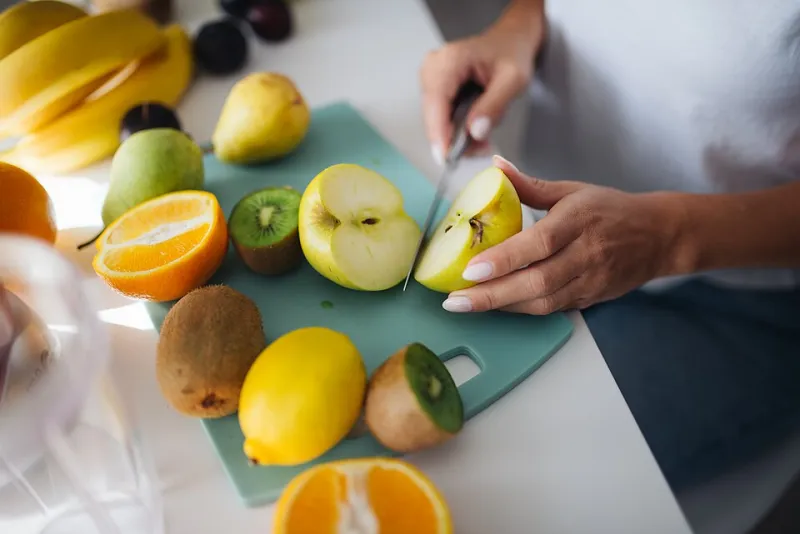
Photo: Shixart1985, CC BY 2.0, via Wikimedia Commons
It arrives with almost comic reliability: somewhere between 3 and 5 p.m., your brain turns to static, your inbox becomes unreadable, and the vending machine or office snack drawer starts calling your name like a siren. You grab the granola bar, the chips, the leftover birthday cake in the break room. Twenty minutes later you feel better. Forty minutes later you feel worse.
Then comes the guilt spiral — the voice that says you just need more willpower, more discipline, more self-control. We'd like to formally retire that voice, because it's wrong about the science and unhelpful in practice.
The Slump Is Built Into Your Biology
The post-lunch dip is one of the most well-documented phenomena in circadian research. Human alertness naturally ebbs in the mid-afternoon, part of a daily rhythm that dips twice — once overnight, once around 2 to 4 p.m. This happens even in people who eat nothing at all.
Add a typical American lunch to the mix — often carb-heavy, eaten fast, sometimes skipped entirely and replaced with coffee — and you've amplified the drop. Refined carbohydrates spike blood sugar, insulin surges to manage it, and the subsequent crash lands right in the middle of your natural dip. Double whammy.
So no, you're not weak. You're a mammal with a circadian rhythm who ate a sandwich and spent the afternoon in a fluorescent-lit office. The environment is doing most of the work.
Why the Willpower Frame Fails
Here's the practical problem with treating the slump as a discipline issue: willpower is a terrible afternoon resource. By 4 p.m., you've made hundreds of decisions, sat through meetings, and managed other people's problems. Decision fatigue is real, and the snack drawer knows it.
Framing the fix as 'just resist' sets you up to fail, because the setup itself is flawed. The better question isn't 'how do I resist the vending machine?' It's 'what can I eat at 3:30 that makes the vending machine irrelevant?'
The Anatomy of a Snack That Works
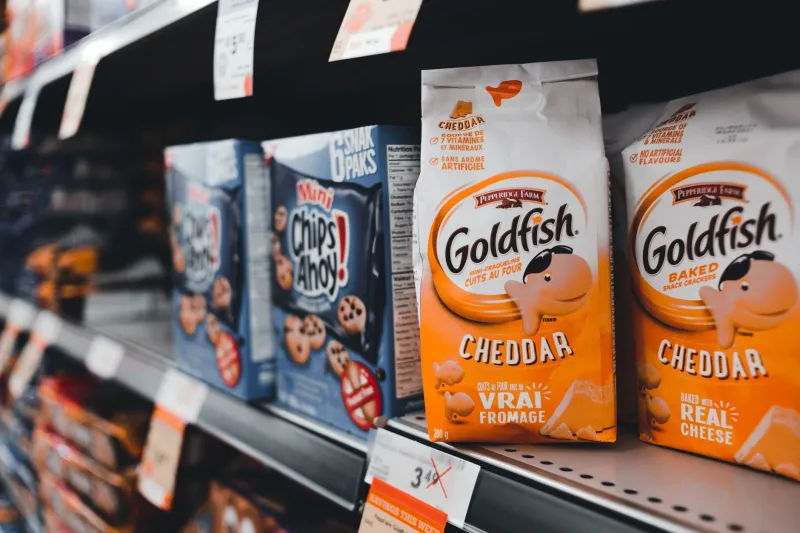
A snack that actually gets you through the dead zone needs three things: protein, fiber, and some fat. Together they slow digestion, steady blood sugar, and keep hunger from roaring back in twenty minutes. A snack that's all refined carbs — pretzels, most granola bars, crackers — does the opposite: quick rise, hard fall, and you're back at the drawer by 4:45.
Some combinations that hold up in a desk drawer or office fridge:
- Apple slices with a single-serve nut butter packet
- A handful of almonds plus a piece of fruit
- Greek yogurt with berries (if you've got a fridge)
- Hummus with baby carrots or snap peas
- Roasted chickpeas — crunchy, salty, and packed with fiber and protein
- A hard-boiled egg with everything-bagel seasoning, because we're not monsters
Portion matters too. The goal is a bridge to dinner, not a second lunch. Around 150 to 250 calories with real staying power beats a 400-calorie snack that kills your appetite at 6 and leaves you raiding the pantry at 9.
Timing Is Part of the Formula
Eating your snack at 4:30, when you're already ravenous, guarantees you'll overeat. Eating it at 3:15, before the crash peaks, lets you make a choice instead of an emergency grab. If your slump hits like clockwork — and for most people it does — set the snack up as a scheduled event, not a response to desperation.
And take a hard look at lunch itself. If your midday meal is a white-flour-heavy grab-and-go situation, the afternoon crash is less a snack problem and more a lunch problem. Adding protein and fiber at noon reduces the size of the dip and the urgency of the 4 p.m. hunger.
Make It Easy or It Won't Happen
The final piece is logistics. The healthiest snack in the world loses to a bag of chips that's three feet closer. Sunday prep — washing and cutting vegetables, portioning nuts into bags, boiling a few eggs — turns your best intentions into the path of least resistance.
The afternoon slump isn't going anywhere. It's biology. But with a snack built on protein, fiber, and fat — eaten on schedule, not in crisis — you can meet it prepared instead of punished. That's not discipline. That's design.