Label Literacy: The Food Claims Worth Paying For and the Ones That Are Just Expensive Words
The Label Landscape Is Designed to Overwhelm You
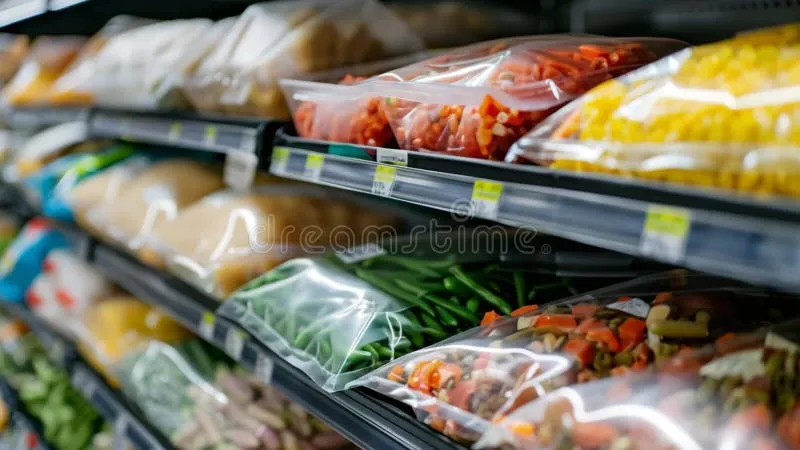
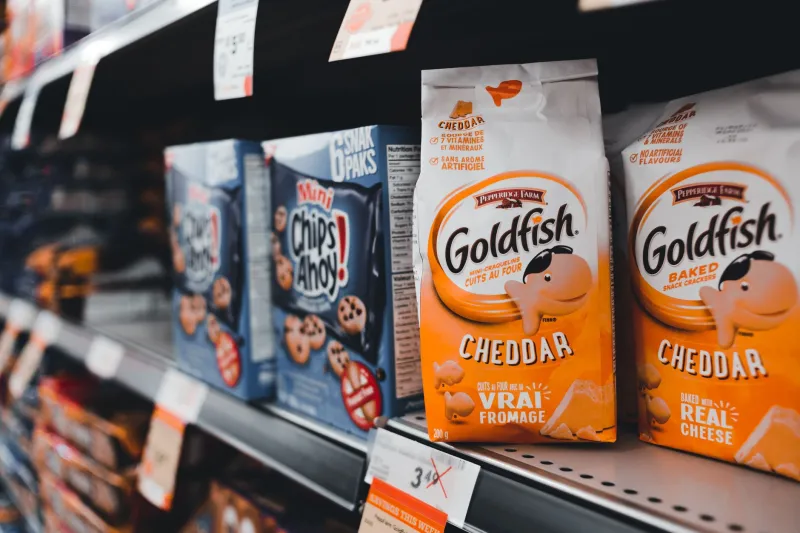
Stand in the middle of a well-stocked American grocery store and look at the packaging around you. Every product is making a case for itself. Organic. Non-GMO Verified. Grass-fed and finished. Cold-pressed. Small-batch. Artisanal. Free-range. Pasture-raised. Natural. Clean. Ancient grains. No artificial anything.
Some of these claims are backed by meaningful standards and third-party verification. Some of them are regulated terms with specific legal definitions. And some of them are, frankly, marketing language that sounds like it means something but doesn't require a single thing of the manufacturer.
The problem is that they're all presented with roughly equal visual authority. The same font weight, the same prominent placement on the front of the package. You're expected to sort through this in the thirty seconds you spend in front of a shelf, usually while also managing a cart, a list, and a budget.
So let's slow it down. Here's a working framework for which labels genuinely move the needle on nutrition, which ones matter for reasons beyond nutrition, and which ones you can safely ignore without losing anything.
The Labels That Actually Have Teeth
Organic is one of the most regulated terms in American food labeling. To carry the USDA Certified Organic seal, a product must meet specific federal standards: no synthetic pesticides, no synthetic fertilizers, no GMOs, no irradiation. For animal products, there are additional requirements around feed and living conditions.
Does organic food have meaningfully different nutritional content than conventional? The research is genuinely mixed, and the answer varies by product. For produce with thin skins — strawberries, spinach, apples, peaches — organic is worth prioritizing because pesticide residues are harder to wash off. These are the items that appear on the Environmental Working Group's annual Dirty Dozen list, and the organic premium is reasonable here.
For produce with thick skins you discard — avocados, onions, pineapple — the conventional version is typically fine. The EWG's Clean Fifteen list is your guide here. Spending organic dollars on avocados is largely a preference call, not a nutritional necessity.
Grass-Fed and Grass-Finished (for beef)
This one matters, but the distinction within the label matters even more. 'Grass-fed' alone doesn't mean much — most cattle spend at least some time on pasture. 'Grass-fed and grass-finished' means the animal ate grass for its entire life, which produces a meaningfully different nutritional profile: higher omega-3 fatty acids, higher conjugated linoleic acid (CLA), and a better omega-6 to omega-3 ratio than grain-finished beef.
If red meat is part of your diet and you're buying it regularly, grass-fed and finished is a label worth paying attention to. Look for verification from the American Grassfed Association or similar third-party certifiers, since 'grass-fed' without certification has limited accountability.
Pasture-Raised (for eggs and poultry)
Among egg labels, pasture-raised is the one that actually corresponds to a different product. Pasture-raised hens spend meaningful time outdoors on actual pasture, which affects their diet and, consequently, the nutritional profile of their eggs. Studies have found that pasture-raised eggs contain more vitamin D, more omega-3s, and more vitamin E than conventional eggs.
'Free-range' and 'cage-free,' by contrast, have weaker standards. Free-range requires outdoor access but doesn't specify how much or what kind. Cage-free simply means the birds aren't in battery cages — they can still be densely housed indoors. If you eat eggs regularly, pasture-raised is the upgrade that's actually backed by something.
The Labels That Matter — Just Not Primarily for Nutrition
Non-GMO Verified
The Non-GMO Project butterfly is one of the most recognized seals in American grocery stores, and it's genuinely a rigorous third-party verification. What it verifies is the absence of genetically modified ingredients.
Here's the honest context: the current scientific consensus, including positions from the WHO, the National Academies of Sciences, and the American Medical Association, is that approved GMO foods don't pose a health risk to consumers. The nutritional difference between a GMO and non-GMO version of the same ingredient is generally negligible.
That said, some people choose non-GMO for reasons related to environmental concerns, corporate agriculture practices, or personal values — and those are legitimate reasons. Just know that you're paying for a values alignment, not a nutritional upgrade. If your budget is tight, non-GMO is a label you can deprioritize without compromising your health.
The Labels That Are Mostly Theater
Natural
'Natural' has no meaningful regulatory definition in the US when applied to most food products. The FDA has acknowledged this ambiguity and has not established a formal definition. A product can contain high-fructose corn syrup, artificial colors, and a long list of preservatives and still legally call itself 'natural' if a manufacturer decides the term fits.
Ignore this label entirely. It tells you nothing verifiable.
Artisanal / Small-Batch / Handcrafted
These terms are entirely unregulated and can be applied to anything by anyone. A 'small-batch' granola from a major food conglomerate is still a product from a major food conglomerate. 'Artisanal' crackers can be made in the same industrial facility as the non-artisanal version, with identical ingredients.
These words are designed to evoke a feeling — craft, care, authenticity. Whether the product delivers on that feeling has nothing to do with the word on the package. Read the ingredient list instead.
Cold-Pressed (beyond olive oil)
For olive oil, cold-pressed is a meaningful indicator of quality — it describes an extraction method that preserves polyphenols and flavor compounds. For other products where 'cold-pressed' appears as a buzzword (certain juices, nut butters, snack bars), it's often being used loosely to imply freshness or minimal processing. Check the actual ingredients and nutritional information rather than letting the term do the work.
A Practical Decision Framework
Here's how to think about this at the shelf without burning through your mental bandwidth:
- Spend on organic for the Dirty Dozen produce items and skip it for the Clean Fifteen.
- Spend on grass-fed and finished if red meat is a regular part of your diet.
- Spend on pasture-raised if you eat eggs more than a few times a week.
- Skip the premium for 'natural,' 'artisanal,' 'small-batch,' and 'handcrafted' — these are vibes, not standards.
- Treat non-GMO as a values choice, not a health necessity, and budget accordingly.
- Always read the ingredient list. No front-of-package claim substitutes for knowing what's actually in the product.
Your wellness budget is real and finite. Spending it where it genuinely moves the needle — and letting go of the labels that are just charging you for a story — is one of the most practical things you can do for your long-term health.