The Company You Keep at the Table Actually Changes How Your Body Processes the Meal

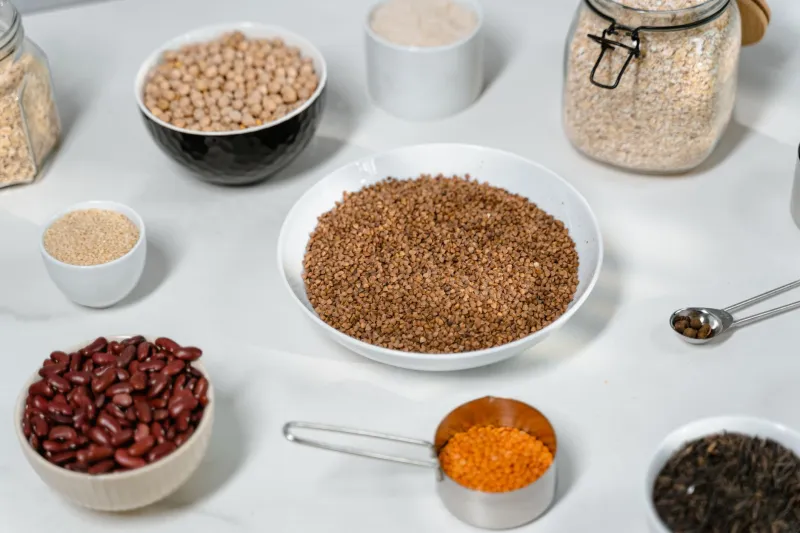
Photo: Ahmed Mo Abd Elaaty, CC BY-SA 4.0, via Wikimedia Commons
Picture two identical lunches. Same grilled salmon. Same roasted sweet potato. Same side of greens. In scenario one, you're eating at your desk, one eye on a Slack notification, the other on a spreadsheet, finishing in about eleven minutes before your next meeting. In scenario two, you're sitting across from a friend at a table, no phones, easy conversation, taking a full forty-five minutes.
The food is the same. But what your body does with it? That may be surprisingly different.
This is one of the more fascinating — and underreported — areas in nutrition research right now: how the social and psychological context of eating influences the actual physiological outcomes of a meal. Not just how you feel emotionally, but how you digest, how full you feel, and how well your gut absorbs what you just ate.
Your Nervous System Has an Opinion About Who's at the Table
To understand why this happens, you need to understand a bit about how digestion actually works.
Your digestive system is governed largely by your autonomic nervous system — specifically the interplay between the sympathetic (fight-or-flight) and parasympathetic (rest-and-digest) branches. When you're calm, relaxed, and present, your parasympathetic nervous system takes the lead. Blood flows toward your digestive organs. Stomach acid and digestive enzymes are produced more efficiently. Gut motility — the rhythmic movement that processes food through your system — works as it should.
When you're stressed, rushed, or distracted, the sympathetic nervous system steps in. Blood gets redirected away from digestion and toward your muscles and brain. Enzyme production can slow. The whole digestive process becomes less efficient.
Eating at your desk while managing three competing priorities? That's a sympathetic-nervous-system meal. Sitting with people you enjoy, without urgency? That's your parasympathetic system getting a chance to do its job properly.
This isn't speculative wellness-speak. It's basic physiology that researchers have been documenting for years, and newer studies are starting to connect it directly to measurable differences in satiety and nutrient uptake.
Eating With Others Tends to Mean Eating Better
A substantial body of research has looked at what people actually eat in social versus solitary contexts, and the patterns are consistent enough to be striking.
A 2021 review published in Nutrients found that communal eating is associated with higher consumption of fruits, vegetables, and whole foods, along with greater dietary diversity. People eating with others tend to slow down, chew more thoroughly, and take more time between bites — all of which support better digestion and more accurate hunger and fullness signaling.
There's also what researchers call the 'social facilitation' effect in eating: people generally eat more food when dining with others than when eating alone. Before you flag that as a negative, the context matters. When the food on the table is nutritious and the meal is unhurried, eating more of it isn't a problem — you're giving your body the time and volume it needs to reach genuine satiety rather than the artificial fullness of eating fast and stopping before signals catch up.
The social facilitation effect becomes problematic mainly in environments designed around overconsumption — think all-you-can-eat situations or highly palatable, ultra-processed foods. In the context of a wholesome, balanced meal, the tendency to linger and eat a bit more is largely working in your favor.
What Rushing Through Lunch Is Actually Costing You
Americans eat alone more than almost any other developed nation. A survey from the market research firm Hartman Group found that more than half of U.S. eating occasions happen in solitude. For lunch specifically, desk dining has become so normalized that many workers feel vaguely guilty for leaving to eat with colleagues.
But the cost of that habit isn't just social — it's physiological.
When you eat quickly and distracted, satiety hormones like leptin and cholecystokinin don't have adequate time to signal fullness to your brain before you've already finished eating. The gut-brain communication loop that tells you 'okay, that's enough' takes roughly 15 to 20 minutes to complete. Eat a full meal in ten minutes and you've bypassed that system entirely. You feel fine in the moment, then oddly empty an hour later — not because the food wasn't sufficient, but because your brain never properly registered that it arrived.
There's also the chewing factor. Thorough chewing isn't just about breaking food into smaller pieces — it triggers saliva production, begins carbohydrate digestion, and sends anticipatory signals to your stomach and small intestine to prepare for incoming nutrients. Hurried eating typically means less chewing, which means less enzymatic preparation, which means less efficient breakdown and absorption of what you just ate.
The Gut-Brain Axis and Social Connection
Here's where it gets genuinely interesting from a research standpoint.
The gut-brain axis — the bidirectional communication network between your digestive system and your central nervous system — is increasingly understood to be sensitive not just to what you eat, but to your emotional and psychological state while eating.
Oxytocin, sometimes called the 'bonding hormone,' is released during positive social interactions. Emerging research suggests oxytocin may play a role in regulating appetite and gut function — it appears in gut tissue and may influence how satisfied we feel after eating. Sharing a meal with people you feel comfortable around triggers oxytocin release in ways that eating alone simply doesn't replicate.
Meanwhile, cortisol — the primary stress hormone — actively interferes with digestion when chronically elevated. And for many Americans, the lunch hour (or the fifteen minutes that passes for one) is genuinely stressful: emails, deadlines, the ambient pressure of being 'on' all day. Eating in that state is eating under cortisol, and your gut feels the difference even if you don't consciously register it.
This Doesn't Mean Solo Meals Are Ruining Your Health
Let's be clear: eating alone isn't inherently harmful, and plenty of solitary meals are perfectly calm and nourishing. If you live alone, work remotely, or simply value quiet time with your food, there's no need to manufacture social situations around every meal.
What the research points toward is more about how you eat alone than whether you do. A solitary meal eaten slowly, without screens, with genuine attention to the food in front of you, can activate the same parasympathetic, rest-and-digest state as a relaxed social meal. Mindful eating practices — even brief ones, like taking three slow breaths before you start, or putting your fork down between bites — can meaningfully shift the physiological context of eating solo.
The problem isn't aloneness. It's distraction and urgency.
Small Shifts That Actually Help
You don't need to overhaul your schedule to eat better. A few realistic changes:
-
Protect at least a few meals per week for shared eating. It doesn't need to be elaborate. Lunch with a coworker, dinner with your household, a weekend breakfast with a friend. The regularity matters more than the occasion.
-
Create a physical boundary around meals. Close the laptop. Put the phone face down. Even five minutes of undivided attention at the start of a meal changes the nervous system context.
-
Slow the pace deliberately. Set a timer if you need to. Aim for at least 20 minutes for any meaningful meal. Your satiety signals need that time to work.
-
When eating alone, make the environment pleasant. A set table, natural light, maybe some music. Your brain responds to environmental cues, and a pleasant setting supports the relaxed state that digestion prefers.
The food on your plate matters enormously. But the conditions under which you eat it? Those matter more than most of us have been taught to believe.