Why Your Picture-Perfect Plate Leaves You Hungry an Hour Later
You did everything right. Lean protein, check. Complex carbs, check. A rainbow of vegetables taking up half the plate. Maybe a drizzle of olive oil for good measure. The meal looks like something you'd screenshot and save. You eat it, feel fine for a little while — and then, somewhere around the 45-minute mark, you're back in the kitchen wondering what went wrong.
This is one of the most quietly frustrating experiences in health-conscious eating, and it happens more often than people talk about. The plate was technically perfect. But technically perfect and actually satisfying are two different things, and the gap between them is worth understanding.
Satiety Is More Complicated Than Macros
Nutrition science has done a lot of useful work mapping out what macronutrients do in the body. Protein slows gastric emptying. Fiber adds bulk. Fat triggers cholecystokinin, a hormone that signals fullness. These are real mechanisms, and they matter.
But satiety — the actual felt experience of being satisfied — is a layered process that involves your gut, your brain, your senses, and even your expectations. A meal that technically delivers the right nutrients can still miss the mark on fullness if it doesn't engage enough of those systems simultaneously.
Researchers call this the satiety cascade: a sequence of signals that begins the moment you smell and see food, continues through chewing and swallowing, and doesn't fully complete until gut hormones reach your brain — a process that takes 15 to 20 minutes at minimum. Miss any part of that cascade, and the meal feels incomplete even when the numbers add up.
The Sensory Gap in 'Clean' Eating
Here's something that doesn't get enough airtime in wellness spaces: flavor complexity and textural variety are not trivial pleasures. They're part of how your brain registers a meal as complete.
When food engages multiple senses — varied textures, contrasting temperatures, a balance of salty, savory, acidic, and even a touch of fat-rich richness — your brain generates a stronger and more sustained fullness signal. Meals that are texturally monotone (think: steamed chicken, steamed broccoli, steamed rice) or flavor-flat tend to feel less satisfying even at identical calorie counts, because they don't fully activate the sensory reward pathways that tell your brain yes, we've had enough.
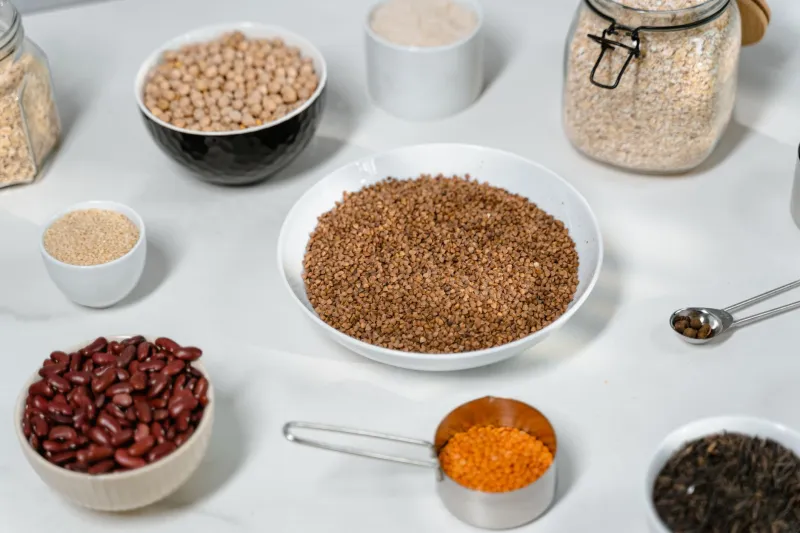
This isn't a license to chase hyper-palatable junk food. It's an argument for cooking with intention — using acid, heat, crunch, fresh herbs, and quality fats to build meals that actually taste like something. A grain bowl with roasted chickpeas (crunchy), pickled onions (sharp), creamy tahini, and fresh herbs is nutritionally similar to a plain version of the same bowl — but it eats completely differently.
The Volume Illusion
Another common trap in health-conscious plating: visually beautiful meals often skew toward low caloric density in ways that look generous but don't deliver enough actual energy to keep hunger at bay.
A large, colorful salad loaded with greens, cucumber, cherry tomatoes, and a light vinaigrette photographs beautifully and feels like a substantial meal while you're eating it. But the total caloric and macronutrient payload might be closer to a snack. Volume without sufficient energy density means your stomach may feel temporarily full, but your body's fuel gauge hasn't moved much — so hunger returns quickly.
This doesn't mean every meal needs to be calorie-dense. It means being honest about the difference between a meal and a side dish, and not letting visual fullness trick you into under-eating.
Portion Psychology Cuts Both Ways
Food psychology research — including well-known work from Cornell's Food and Brand Lab — has shown that how food is plated affects how much people eat and how satisfied they feel afterward. Smaller plates make portions look larger, which can trigger earlier satiety signals. But the inverse is also true: a modest serving on a large plate can feel visually sparse, priming your brain to expect less satisfaction before you've taken a single bite.
If your meal prep containers are oversized, or your dinner plates dwarf your portions, you may be starting every meal from a psychological deficit. The food hasn't changed, but your brain's prediction of how satisfying it will be has already shifted — and that matters.
There's also something to be said for the ritual of eating. Meals eaten quickly, standing over the sink, or while scrolling a phone don't register as fully as meals eaten with some degree of attention and presence. The brain needs time and sensory engagement to process fullness — and distraction is a direct interruption of that process.
What Actually Fills People Up
If you're consistently finishing meals that look right on paper but still feeling hollow, a few adjustments tend to make a real difference:
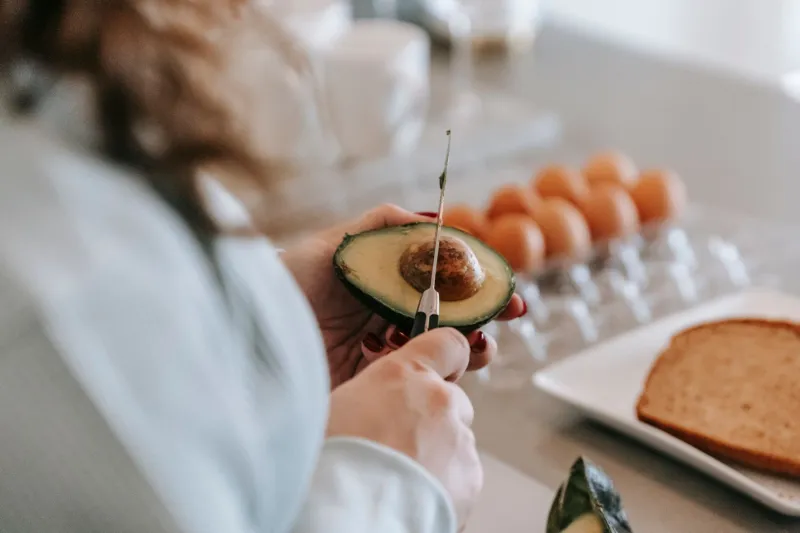
Anchor every meal in protein and fat, not just protein. Protein is critical, but it works better paired with fat, which extends gastric emptying and adds the kind of richness that makes meals feel complete. A chicken breast with roasted sweet potato is fine. Add half an avocado or a spoon of tahini, and the satiety profile changes noticeably.
Build in texture contrast deliberately. Something crunchy, something creamy, something chewy. It doesn't have to be elaborate — a handful of toasted seeds on a grain bowl, a wedge of crusty bread alongside soup, pickled vegetables next to something rich.
Use acid and salt thoughtfully. Meals that taste bright and well-seasoned are more satisfying than bland ones at the same calorie count. A squeeze of lemon, a splash of vinegar, or proper seasoning isn't just about taste — it's part of the satiety signal.
Eat slowly enough for the cascade to complete. Twenty minutes is a long time when you're hungry, but slowing down — even modestly — gives the gut-brain communication loop time to close before you decide you need more.
Reconsider your portions honestly. If you're eating genuinely nutritious food and still hungry, the answer might just be that you need more of it. Chronic under-eating dressed up as clean eating is a real thing, and it's worth ruling out.
The Wholesome Platter Philosophy
A plate that nourishes you is one that satisfies you — not just on a spreadsheet, but in your body and your experience of eating it. Beautiful food and genuinely filling food aren't competing goals. They're the same goal, approached with a bit more honesty about what satisfaction actually requires.
Nourishing your body means feeding it enough, making it taste good, and paying enough attention to notice when it's actually full. That's a more complete picture of wellness than any macro target alone can offer.