Superfoods Are Selling You Something — Here's What Actually Matters
Walk into any Whole Foods or scroll through a wellness influencer's feed and you'll encounter a familiar cast of characters: spirulina, goji berries, cacao nibs, lion's mane mushrooms, and whatever seed or powder just got a segment on morning TV. They're all branded with the same unspoken promise — eat this specific thing, and your health will level up.
But here's the uncomfortable truth: the word "superfood" is a marketing term, not a nutritional classification. No regulatory body in the US — not the FDA, not the USDA — officially defines or certifies a food as a superfood. That label exists to sell products, and it's doing a remarkably good job of it.
None of this means these foods are bad for you. Many of them are genuinely nutritious. The problem is the story we've built around them — that specific foods, consumed in specific ways, unlock specific health outcomes. That story is a lot more complicated than a smoothie bowl caption can capture.
What "Nutrient Density" Actually Means
Nutrient density is a real concept in nutrition science. It describes how many beneficial nutrients — vitamins, minerals, fiber, antioxidants — a food delivers relative to its calorie count. Leafy greens, legumes, berries, and fatty fish all score well here. So do a lot of foods that never got a trendy rebrand.
The issue is that nutrient density gets weaponized. A food with a high concentration of, say, polyphenols gets elevated to superfood status, and suddenly people are spending $40 on a bag of dried mulberries when a cup of frozen blueberries from Aldi would deliver comparable antioxidant benefits for about 80 cents.
Nutrition researcher Dr. David Katz has pointed out that the fixation on individual nutrients — or individual foods — misses the forest for the trees. Your body doesn't process a single ingredient in isolation. It processes a meal, a day of eating, a lifetime of dietary patterns. The whole is genuinely greater than the sum of its parts.
The Synergy Problem Superfoods Ignore
Here's where the superfood narrative breaks down most visibly: nutrition science increasingly points to dietary patterns — not individual foods — as the strongest predictor of long-term health outcomes.
The Mediterranean diet, for example, doesn't hinge on any single ingredient. It's the combined effect of olive oil, fish, legumes, vegetables, whole grains, and moderate red wine working together over time. The DASH diet, consistently ranked among the most effective eating patterns for cardiovascular health, is similarly built on variety and balance rather than any magic bullet ingredient.
When researchers study populations with exceptional longevity — the so-called Blue Zones like Sardinia, Okinawa, and Loma Linda, California — they don't find superfood obsession. They find diverse, plant-forward diets built around whatever whole foods are locally available and culturally familiar. Okinawans eat a lot of sweet potatoes. Sardinians eat a lot of legumes and pecorino cheese. Neither group is sourcing ashwagandha online.
The Real Cost of Superfood Culture
Beyond the financial drain — and specialty superfood products can genuinely strain a grocery budget — there's a psychological cost worth naming.
When we organize our eating around the pursuit of specific "power" foods, we set ourselves up for a kind of nutritional anxiety. Did I get enough spirulina today? Should I be doing a collagen peptide? Is my turmeric latte actually doing anything? This mental overhead doesn't make us healthier. Research on orthorexia — an unhealthy obsession with eating "correctly" — suggests that excessive focus on food purity and optimization can actually undermine wellbeing rather than support it.
There's also an access and equity dimension here. Superfood culture tends to center expensive, often imported ingredients that are out of reach for many American households. Meanwhile, genuinely nutritious, affordable foods — canned sardines, dried lentils, frozen spinach, eggs, oats — get overlooked because they don't photograph well or carry an exotic origin story.
How to Actually Evaluate a Food
So if "superfood" is a marketing label, how should you actually think about what you eat? A few practical questions are more useful than any trending ingredient list:
Will you actually eat it regularly? A food that sits in your pantry because you're not sure what to do with it delivers zero nutritional benefit. Consistency matters more than optimization.
Does it fit your individual needs? A 60-year-old woman focused on bone health has different nutritional priorities than a 28-year-old endurance athlete. There's no universal superfood that serves everyone equally.
Is it displacing something more useful? If adding an expensive superfood powder to your smoothie means skipping vegetables at dinner because you feel like you've "covered" your nutrition, that's a net loss.
What's the whole dietary context? A handful of goji berries on top of a diet full of ultra-processed food isn't going to move the needle. The same goji berries as part of a genuinely varied, whole-food diet are a pleasant addition — nothing more, nothing less.
What a Genuinely Nourishing Plate Looks Like
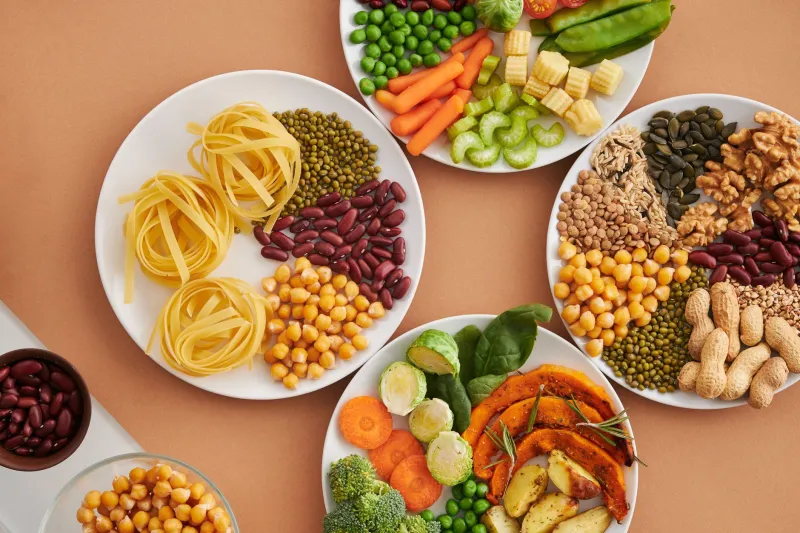
The research on healthy eating converges on some pretty unsexy conclusions. Eat a wide variety of whole foods. Prioritize vegetables, fruits, legumes, whole grains, and quality proteins. Minimize ultra-processed foods. Don't stress excessively about any single ingredient.
At Wholesome Platter, that's the philosophy behind how we think about food — not chasing the latest ingredient trend, but building meals that are genuinely satisfying, nutritionally varied, and sustainable to eat week after week. A roasted salmon fillet with a side of lentils and roasted broccoli isn't going to get a lot of engagement on social media. But it's going to do a lot more for your long-term health than a $15 smoothie bowl dusted with bee pollen.
Some foods that often do earn their reputation — not because they're magic, but because they're genuinely useful building blocks:
- Leafy greens (spinach, kale, arugula): High in folate, vitamin K, and fiber. Cheap. Versatile.
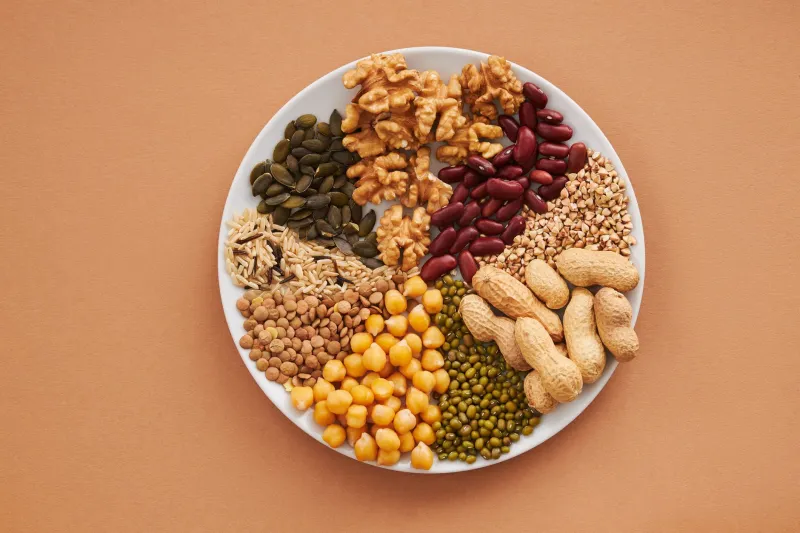
- Legumes (lentils, black beans, chickpeas): Excellent protein and fiber combo. Shelf-stable and affordable.
- Fatty fish (salmon, sardines, mackerel): Omega-3 fatty acids with solid evidence for cardiovascular and brain health.
- Berries: High in antioxidants, fiber, and relatively low in sugar. Frozen works just as well as fresh.
- Whole grains (oats, farro, barley): Sustained energy and gut-supporting fiber.
None of these are exotic. None of them require a subscription box. And none of them need a marketing campaign to justify their place on your plate.
The Bottom Line
Superfood culture isn't malicious — it's just misaligned with how nutrition actually works. The obsession with specific ingredients distracts from the bigger picture: that eating well is about patterns, variety, and consistency over time.
The next time a new ingredient gets anointed with superfood status, it's worth asking who benefits from that label. Usually, it's someone with a product to sell. Your health is better served by a colorful, varied plate built from whole foods you genuinely enjoy — no exotic imports required.