Not All Fiber Is Created Equal: How to Find the Right Kind for Your Gut
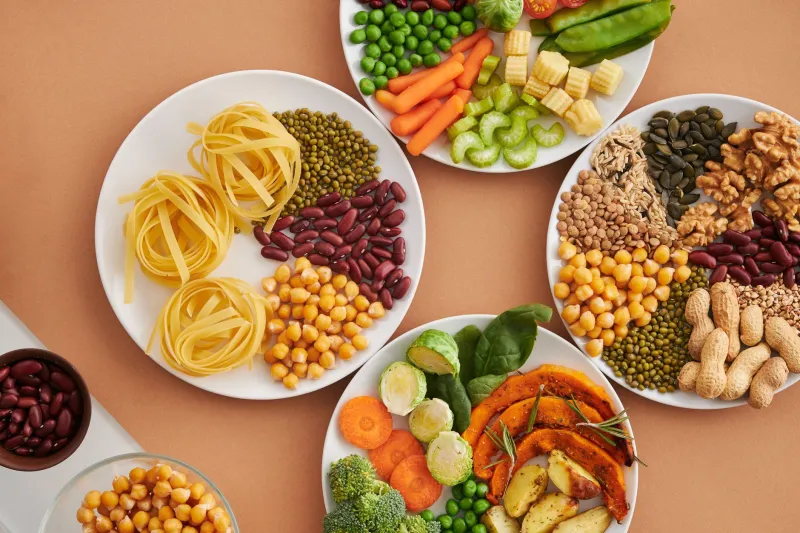
We've all heard it. Eat more fiber. It's practically a nutritional commandment at this point — printed on cereal boxes, repeated by doctors, and plastered across wellness Instagram accounts. And yet, despite Americans being more fiber-aware than ever, most of us are still falling short of the recommended 25–38 grams per day. Worse, a lot of people who do try to boost their intake end up bloated, gassy, or just plain uncomfortable.
So what gives?
The problem isn't fiber itself. It's the assumption that fiber is a single, uniform thing — like a vitamin you either get enough of or you don't. In reality, fiber is a broad category of plant-based compounds that behave very differently inside your body. And your gut bacteria? They care deeply about those differences, even if your bathroom scale doesn't.
The Two Big Categories (and Why They Matter)
At the most basic level, dietary fiber breaks down into two camps: soluble and insoluble. Soluble fiber dissolves in water and forms a gel-like substance in your digestive tract. Think oats, beans, apples, and flaxseeds. This type slows digestion, helps stabilize blood sugar, and is a favorite food source for beneficial gut bacteria.
Insoluble fiber, on the other hand, doesn't dissolve. It adds bulk to your stool and helps move things along — found in whole wheat, nuts, and most vegetable skins. It's the classic "keeps you regular" variety.
But here's where it gets more nuanced. Within soluble fiber, there's a subcategory called fermentable fiber — also known as prebiotics — that your gut microbiome absolutely thrives on. Foods like garlic, onions, leeks, Jerusalem artichokes, and slightly underripe bananas are loaded with these compounds. Your gut bacteria ferment them, producing short-chain fatty acids that reduce inflammation, support immune function, and even influence your mood through the gut-brain axis.
That's not a typo. What you feed your gut bacteria affects how you feel emotionally. The science on this is still developing, but the connection between gut health and mental wellness is one of the most exciting areas in nutrition research right now.
Why One-Size-Fits-All Doesn't Work Here
Here's the part most fiber advice skips over entirely: your personal gut microbiome is as unique as your fingerprint. The trillions of bacteria living in your digestive system have been shaped by your genetics, where you grew up, the medications you've taken, your stress levels, and every meal you've eaten over your lifetime.
That means a high-fiber food that makes your coworker feel energized and light might leave you doubled over with cramps. It's not a character flaw. It's biology.
People with irritable bowel syndrome (IBS), for example, often react poorly to certain fermentable fibers — a group of carbohydrates known as FODMAPs. Foods like raw onions, chicory root, and lentils can trigger significant discomfort for these folks, even though those same foods are genuinely excellent for someone with a more resilient digestive system.
Similarly, people who've been eating a low-fiber diet for years often experience a rough transition when they try to ramp up quickly. Your gut bacteria need time to adapt. Flooding your system with fiber overnight is a bit like showing up to a marathon without training — your body just isn't ready for it.
Finding Your Fiber Sweet Spot
So how do you figure out what actually works for you? A few practical approaches:
Start low and go slow. If you're not eating much fiber right now, add it gradually over two to four weeks. Your microbiome will adjust, and you'll avoid the uncomfortable side effects that make people give up before they see the benefits.
Pay attention to the source, not just the number. A fiber supplement might technically get you to your daily goal, but it won't deliver the vitamins, minerals, and phytonutrients that come bundled with whole food sources. Prioritize real food — lentils, split peas, avocados, raspberries, roasted chickpeas, and cooked-then-cooled potatoes (the cooling process increases resistant starch, another gut-friendly fiber type).
Notice how you feel after meals. Keeping a simple food and symptom journal for a couple of weeks can be genuinely eye-opening. If a certain high-fiber food consistently causes bloating or cramping, it's worth noting — not necessarily eliminating forever, but worth adjusting the quantity or preparation method. Cooking cruciferous vegetables, for instance, makes them significantly easier to digest than eating them raw.
Diversify your sources. Research consistently shows that eating a wide variety of plant foods — aiming for 30 different plants per week is a target that's gained traction in recent gut health studies — is one of the best things you can do for your microbiome. Diversity in your diet builds diversity in your gut bacteria, and that's where the real metabolic magic happens.
The Energy Connection Nobody Talks About
One underappreciated benefit of getting fiber right is its effect on sustained energy. Soluble fiber slows the absorption of glucose into your bloodstream, which means fewer spikes and crashes throughout the day. If you've ever felt sluggish after lunch or reached for a 3 p.m. coffee out of desperation, your fiber intake — and the balance of what you ate — could be part of the story.
A meal built around fiber-rich foods tends to keep you fuller longer, stabilizes your appetite hormones, and supports the kind of steady energy that lets you actually get through your afternoon without a sugar fix. That's not a weight-loss pitch — it's just how a well-fed gut functions.
Building a Fiber-Forward Plate Without Overthinking It
You don't need to track grams or turn every meal into a science experiment. A few simple shifts can meaningfully change your fiber intake and, more importantly, the quality of fiber you're getting:
- Swap refined grains for whole grains at least half the time — brown rice, farro, whole wheat pasta, or quinoa
- Add a legume to your meals a few times a week — black beans in a grain bowl, lentil soup, hummus as a snack
- Eat the skin on your fruits and vegetables when possible
- Choose whole fruit over juice
- Snack on nuts and seeds instead of processed crackers
None of this requires a complete dietary overhaul. It's about building habits that your gut bacteria will genuinely appreciate — and that you'll notice in your energy, digestion, and overall sense of feeling good in your body.
Your scale might not register the difference right away. But your gut? It'll know.