Anti-Inflammatory Eating: Separating Real Science from Wellness Noise
Walk into any health food store or scroll through a wellness influencer's feed and you'll quickly get the impression that inflammation is a monster lurking in your bloodstream, waiting to be slayed by the right smoothie bowl. Turmeric lattes, celery juice cleanses, nightshade-free meal plans — the list of supposed inflammation-fighters (and triggers) keeps growing. But here's the honest question worth asking: does the science actually back any of this up?
The short answer is: some of it, yes. A lot of it, not so much. Let's break it down.
What Inflammation Actually Is (and Why It's Not Always the Enemy)
First, a quick reality check. Inflammation isn't inherently bad. Acute inflammation is your immune system doing its job — rushing resources to heal a cut, fight off a virus, or recover from a tough workout. The kind we should care about from a long-term health perspective is chronic low-grade inflammation, which has been linked to conditions like heart disease, type 2 diabetes, and certain cancers.
The distinction matters because a lot of wellness content conflates the two, making it sound like any inflammation is dangerous. It's not. What we're really trying to address through diet is the slow, persistent kind that builds up over years of lifestyle and dietary patterns — not the kind you get from a sprained ankle.
The Foods That Actually Have Research Behind Them
So what does the science say? Some foods genuinely do show anti-inflammatory properties in well-designed studies — and they tend to be the least glamorous ones on the wellness circuit.
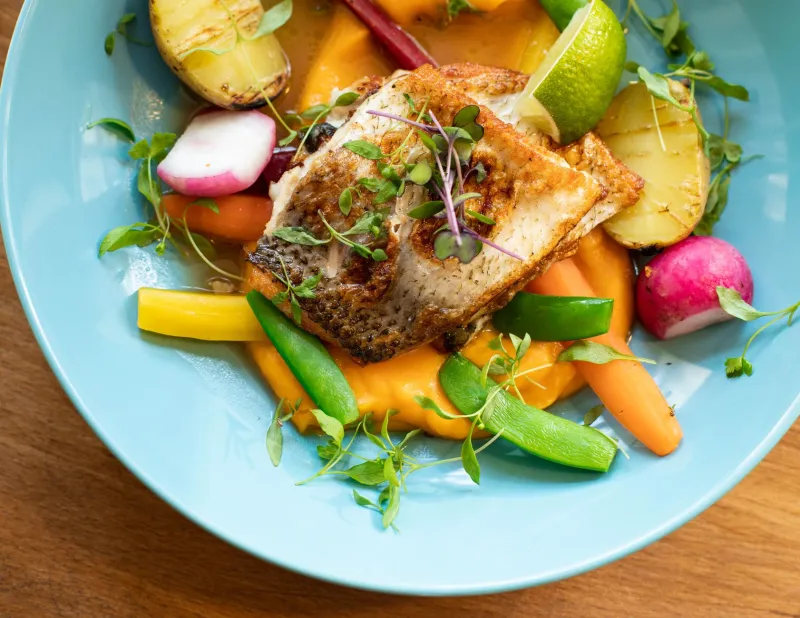
Fatty fish like salmon, sardines, and mackerel are consistently supported by research. The omega-3 fatty acids EPA and DHA have demonstrated measurable effects on inflammatory markers in multiple clinical trials. This isn't hype — it's one of the more robust findings in nutritional science.
Extra-virgin olive oil earns its reputation too. The Mediterranean diet, which features olive oil prominently, has decades of epidemiological data supporting its role in reducing chronic disease risk. A compound called oleocanthal found in quality olive oil even mimics the action of ibuprofen at a molecular level — though, to be clear, you'd need to consume a lot of it to match a pill's effect.
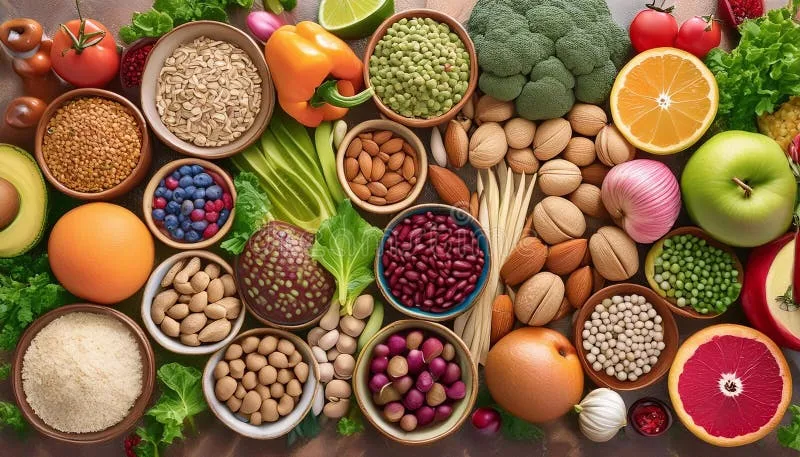
Leafy greens, berries, and colorful vegetables contain polyphenols and antioxidants that help neutralize oxidative stress, a key driver of chronic inflammation. Blueberries, spinach, kale, and beets all have legitimate science behind them — though the effects are cumulative and come from consistent dietary patterns, not a single superfood serving.
Whole grains are another underrated player. Despite being demonized in some circles, whole grains like oats, quinoa, and brown rice have been shown to lower C-reactive protein (CRP), a key inflammatory marker, particularly when they replace refined carbohydrates.
The Overhyped Ones Worth Scrutinizing
Now for the other side. Some foods have been elevated to near-mythical anti-inflammatory status without the evidence to match.
Turmeric is the big one. Curcumin, turmeric's active compound, does show anti-inflammatory activity in lab studies — but those studies are largely conducted on isolated cells or in animal models. Human trials are far less conclusive, partly because curcumin has notoriously poor bioavailability (your body doesn't absorb it well). Sprinkling turmeric on your food or drinking a golden latte is unlikely to move the needle on inflammation in any meaningful way. It's a lovely spice. It's not medicine.
Celery juice became a full-blown trend, but there's essentially no peer-reviewed evidence supporting the specific claims made about it. Celery is a fine vegetable. Its juice is not a detox elixir.
Cutting out nightshades — tomatoes, peppers, eggplant, potatoes — is popular in certain wellness communities who claim these vegetables cause inflammation. For the vast majority of people, there is no credible scientific basis for this. Nightshades are actually rich in antioxidants and vitamins. Unless you have a diagnosed sensitivity, avoiding them may actually reduce the nutritional quality of your diet.
The Foods That Genuinely Promote Inflammation
Here's where the science is arguably clearest: certain dietary patterns do consistently show up as pro-inflammatory. Heavily processed foods high in refined sugars and industrial seed oils, ultra-processed snack products, and diets dominated by red and processed meats are all associated with higher inflammatory markers in large-scale population studies.
This isn't about demonizing any single food — a hot dog at a ballgame isn't going to set your immune system on fire. It's about overall dietary patterns over time. The Standard American Diet, heavy on processed convenience foods and light on vegetables and fiber, creates conditions where chronic inflammation can take hold.
What This Means for How You Actually Eat
The good news is that eating in a genuinely anti-inflammatory way doesn't require an expensive supplement stack or a nightshade-free meal plan. It looks a lot like what most nutrition experts have been saying for decades: eat more whole, minimally processed foods, lean into vegetables and fruit, choose quality fats, include fatty fish regularly, and don't stress about the occasional indulgence.
At Wholesome Platter, this is baked into everything we do. Nourishing your body doesn't mean chasing every new wellness trend — it means building consistent habits around foods that genuinely support your health. The research is there. You just have to know where to look.
Skip the turmeric shots. Add another serving of salmon. Your body will thank you in ways the wellness industry probably won't advertise.