You're Eating 'Right' — So Why Do You Feel So Off?
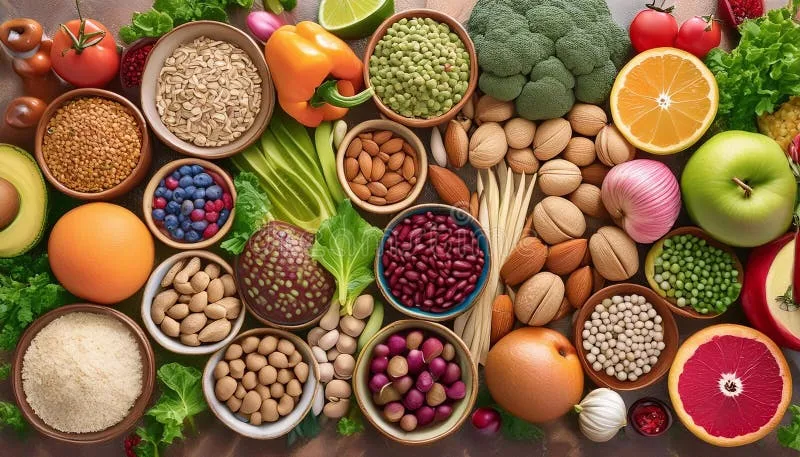
Photo: colorful nutrient-dense whole foods flat lay vegetables seeds nuts, via thumbs.dreamstime.com
You load up on salads. You swap white rice for quinoa. You drink your water, take the stairs, and generally do the things you're supposed to do. And yet — something still feels off. The afternoon slump hits like clockwork. Your sleep is mediocre at best. Your immune system waves the white flag every time a coworker sneezes in your direction.
Here's the uncomfortable truth: eating "healthy" by conventional standards doesn't automatically mean your body is getting what it needs at a cellular level. A diet full of whole foods can still leave significant nutritional blind spots — and those blind spots have a name. They're called micronutrient gaps, and they're far more common than most people realize.
The Difference Between Eating Enough and Getting Enough
Macronutrients — protein, fat, and carbohydrates — tend to get all the attention. We obsess over protein grams, debate healthy fats, and track carbs like a second job. But micronutrients, the vitamins and minerals your body needs in smaller amounts, are quietly doing some of the most important work in your body.
Magnesium helps regulate over 300 enzymatic reactions. Zinc is critical for immune function and wound healing. Vitamin B12 keeps your nervous system humming and your energy levels stable. Iron carries oxygen to your cells. Without adequate levels of these and dozens of other micronutrients, your body can technically be "fed" while still running on empty.
The USDA's own data suggests that a significant portion of American adults fall short on nutrients like magnesium, vitamin D, calcium, and potassium — even among people who consider their diets reasonably healthy. So if you've been feeling less than your best and can't quite explain why, this might be worth exploring.
Common Blind Spots in Otherwise Healthy Diets
Certain eating patterns — even nutritious-sounding ones — tend to create predictable gaps.
Plant-forward diets without strategic planning can run low on B12 (found almost exclusively in animal products), zinc, iron, and omega-3 fatty acids. Plants do contain iron and zinc, but in a form the body absorbs less efficiently than from meat or seafood.
Low-fat diets sometimes inadvertently cut fat-soluble vitamins like A, D, E, and K — nutrients that literally require dietary fat to be absorbed properly.
Calorie-restricted eating, even when the foods chosen are nutritious, can simply deliver too little volume of any given nutrient to meet daily needs.
Repetitive meal rotation is another sneaky culprit. If your weekly menu looks basically the same every week — even if it's healthy — you may be missing entire categories of nutrients that come from foods you're simply not eating.
How to Actually Find Out Where You Stand
Feeling tired doesn't automatically mean you're deficient in something. But if symptoms persist, it's worth getting a clearer picture. A conversation with your primary care doctor or a registered dietitian is the best starting point.
Blood panels can check for several common deficiencies, including:
- Serum ferritin and hemoglobin for iron status
- 25-hydroxyvitamin D for vitamin D levels
- Serum B12 and methylmalonic acid for a more complete B12 picture
- Red blood cell magnesium (more accurate than standard serum magnesium)
- Zinc and copper levels
Not all of these are included in a standard annual physical, so it's worth asking specifically. Knowledge is the foundation — once you know where your gaps are, you can address them with intention rather than guesswork.
Filling the Gaps Through Food First
Supplements have their place, but whole foods deliver nutrients in a matrix that your body is designed to work with — complete with co-factors, fiber, and other compounds that support absorption. Before reaching for a pill, consider what you can add to your plate.
For magnesium: Pumpkin seeds, dark leafy greens like Swiss chard and spinach, black beans, and dark chocolate (yes, really) are all solid sources. A handful of pumpkin seeds on your morning yogurt is an easy upgrade.
For zinc: Oysters are the richest source by far, but beef, chicken, hemp seeds, and lentils are accessible everyday options. Soaking and sprouting legumes can also improve zinc absorption.
For B12: If you eat animal products, eggs, dairy, salmon, and beef liver are all excellent. If you're plant-based, fortified nutritional yeast and fortified plant milks can help — though a supplement is often the most reliable route.
For vitamin D: Fatty fish like salmon and sardines, egg yolks, and fortified foods contribute, but sunlight remains the most potent trigger for your body's own D production. Many Americans, especially those living in northern states or spending most of their day indoors, are chronically low regardless of diet.
For iron: Pair plant-based iron sources (lentils, tofu, spinach) with vitamin C-rich foods — a squeeze of lemon or a handful of bell pepper strips — to meaningfully boost absorption.
Building a Plate That Actually Covers Your Bases
One of the most practical shifts you can make is moving from a repetitive meal rotation to a more varied, colorful weekly spread. Different colors of vegetables signal different phytonutrients and micronutrients. Variety across protein sources — fish one night, legumes the next, poultry after that — naturally broadens your nutrient intake without requiring a nutrition degree.
At Wholesome Platter, this is exactly the philosophy behind how we think about what goes on your plate. It's not just about what tastes good or fits a calorie target. It's about building meals that genuinely nourish at a deeper level — ones that consider the full spectrum of what your body needs to feel, perform, and recover at its best.
Calorie counting was never the whole story. Real nutritional wellness starts when you zoom in past the macros and ask: what's actually in this food, and is my body getting what it needs?
That question — asked consistently — is where the shift from just eating healthy to truly thriving begins.

