The Menu Is a Maze: How Restaurants Quietly Steer You Away From the Salad
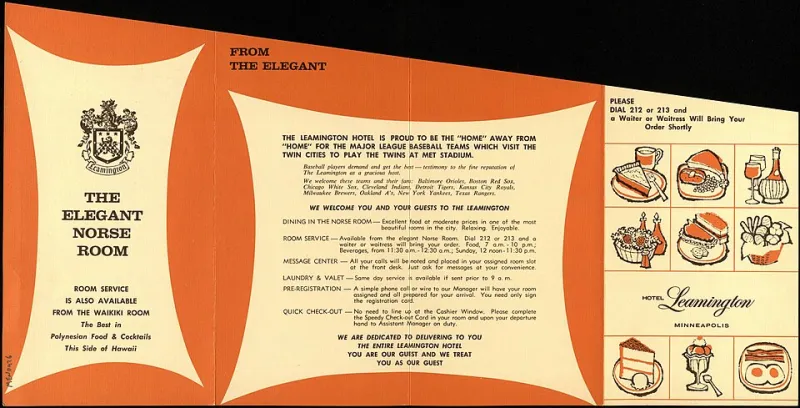
Photo: , Public domain, via Wikimedia Commons
You sat down at the restaurant fully intending to order the grilled salmon with the vegetable plate. Twenty minutes later, the waiter is walking away with your order for the bacon cheeseburger deluxe, and you're not entirely sure how you got here.
You didn't change your mind by accident. You were guided — carefully, deliberately, and by professionals.
Menu engineering is a real discipline, studied in hospitality programs and refined by consultants who charge restaurants serious money to boost check averages. The techniques are subtle, legal, and startlingly effective. Once you know what to look for, you'll never read a menu the same way again.
The Golden Triangle
Eye-tracking studies of diners consistently show that when people open a menu, their eyes go to the center first, then jump to the top right, then the top left — a pattern researchers call the golden triangle. Unsurprisingly, that's where restaurants place their highest-profit items, which are rarely the ones with the leanest ingredient lists.
The dish the restaurant most wants you to order is usually sitting right where your eyes land first. The simple grilled chicken? Often relegated to a corner or buried mid-list.
Anchoring: The Expensive Thing Exists to Sell You the Second-Most-Expensive Thing
Scan almost any menu and you'll find one or two eye-watering prices — the $58 dry-aged steak, the market-price lobster. These items do double duty. Sure, someone orders them. But their primary job is psychological anchoring: once you've seen $58, the $34 pasta feels reasonable, even virtuous, by comparison.
That $34 pasta, not coincidentally, is often the highest-margin item on the menu. The anchor did its job.
The 'Healthy' Items That Aren't Doing You Any Favors
Health-conscious diners get their own special treatment. Watch for these plays:
- Salads with a costume. A salad topped with fried chicken, candied nuts, cheese, creamy dressing, and dried cranberries can carry more calories than a cheeseburger. The word 'salad' functions as a permission slip.
- Vague virtue language. 'Light,' 'fit,' 'smart,' 'guiltless' — these terms have no legal definition on most menus. A 'fit' menu item at a national chain can top 800 calories before the dressing arrives.
- The health halo on one ingredient. 'Made with quinoa' can mean quinoa plus a cup of cheese sauce. One whole grain doesn't redeem the plate.
Typography, Descriptions, and the Art of the Nudge
The tricks go deeper than placement. Menus routinely:
- Drop the dollar sign. Research suggests guests spend more when prices appear as plain numbers ('34' instead of '$34') because the currency symbol triggers the pain of paying.
- Bury the prices. High-margin restaurants sometimes list prices in a column at the edge or in small type, so your eye goes to the dish description first and price second.
- Write like novelists. 'Slow-braised, farm-fresh, heirloom, hand-cut' — evocative descriptions measurably increase orders, and they're attached to the dishes the kitchen wants to move. Notice which items get the poetry and which get a plain noun.
- Use boxes strategically. A border or box around an item draws the eye. It's rarely around the cheapest or lightest thing on the page.
- Restrict your choices. Long menus feel overwhelming; curated lists of 'chef's selections' narrow your options toward the kitchen's priorities, not yours.
Your Counter-Playbook
You don't have to order defensively at every meal — dining out should be enjoyable. But when you do want to eat in line with your intentions, a few habits go a long way:
Decide before you open the menu. If you've already committed to 'grilled protein and vegetables,' the maze loses most of its power. The tricks work best on undecided minds.
Read the full menu before choosing. Scan past the golden triangle. The dish you want is often in the least glamorous real estate on the page.
Translate the adjectives. Strip out 'crispy,' 'creamy,' 'smothered,' 'glazed,' and 'loaded' — each usually signals added fat or sugar. 'Grilled,' 'roasted,' 'steamed,' and 'seared' are your friends.
Ask about the dressings and sauces. Order them on the side and you reclaim control of the single biggest calorie variable on most plates.
Anchor yourself, not the menu. Notice the $58 steak and remind yourself: that number is there to make something else feel reasonable. Judge every dish on its own merits.
None of this means the restaurant is the enemy. It's a business using the tools available to it, the same way grocery stores put candy at checkout. But you walked in with an intention. A little decoder knowledge makes sure you walk out with the meal you actually came for — not the one the menu chose for you.