Eating What You Love Might Actually Keep You Fuller — Here's the Science Behind It
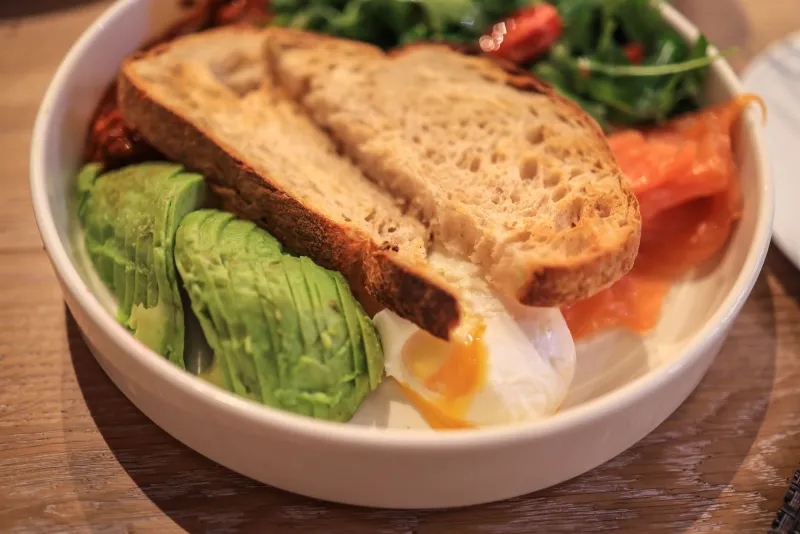
Let's start with a scenario that probably feels familiar. You eat a 'sensible' lunch — maybe a plain salad with grilled chicken and a low-fat dressing — and by 3 p.m. you're rummaging through your desk drawer looking for literally anything to eat. Meanwhile, the Saturday morning eggs and avocado toast you had last weekend kept you going until well past noon without even thinking about food.
That's not a willpower problem. That's biology doing exactly what it's supposed to do.
The relationship between food satisfaction and how long you stay full is way more nuanced than calorie counts suggest. And the idea that restrictive, low-fat, low-flavor eating is the gold standard for feeling good? The science has been quietly dismantling that for years.
What 'Fullness' Actually Means to Your Body
Hunger isn't just a stomach growl. It's a conversation between your gut, your brain, and a whole cast of hormones — and that conversation is heavily influenced by what you actually ate, not just how much.
When you eat, your digestive system releases signals through hormones like cholecystokinin (CCK), peptide YY (PYY), and GLP-1. These are your body's 'okay, we're good' messengers. They travel to the brain and tell it to dial down appetite. The catch? Different foods trigger these hormones at very different levels.
Fat, for instance, is one of the strongest triggers for CCK release. Protein is a heavy hitter for PYY. Fiber slows digestion and keeps those signals active longer. A meal that combines all three — think a bowl of salmon, roasted vegetables, and quinoa drizzled with olive oil — is essentially sending your brain a sustained 'we're satisfied' message for hours.
A low-fat, low-protein meal made mostly of refined carbohydrates? That message comes in loud, then fades fast. Cue the 3 p.m. snack attack.
The Role Your Taste Buds Play (It's Bigger Than You Think)
Here's where things get really interesting. Your mouth isn't just a food processor — it's part of the satiety system.
Taste receptors on your tongue don't just register flavor for enjoyment. They send signals to the brain that help anticipate what kind of digestion is coming. When you eat something rich, savory, or complex, those receptors are firing in a way that primes your whole digestive response. Your brain essentially starts preparing for a real meal.
When you eat something bland or artificially sweetened — diet foods that mimic richness without delivering it — you can actually confuse that system. The signal gets sent, the digestive response ramps up, but then the payoff doesn't arrive. Some research suggests this mismatch can actually increase cravings rather than reduce them, because your body was promised something it didn't receive.
This is part of why people who eat diet versions of their favorite foods often find themselves eating more overall. It's not weakness. It's a feedback loop that was never designed to work that way.
Why Restriction Tends to Backfire
You've probably heard of ghrelin — the hormone that tells you you're hungry. What's less talked about is how restriction affects it. When you consistently eat below what your body needs, or when you eat meals that don't register as satisfying, ghrelin levels stay elevated. Your body keeps asking for more because it genuinely hasn't gotten what it needs.
Over time, chronic undereating or joyless eating can actually make this worse. The body gets more sensitive to hunger signals, not less. And the psychological layer compounds the physical one: when you feel deprived, food becomes more mentally consuming, not less. Studies on restrained eaters consistently show that people who try hardest to limit themselves often think about food more than those who eat more freely.
This isn't an excuse to eat anything in unlimited quantities. It's a reminder that satisfaction — real, honest satisfaction — is a legitimate nutritional goal, not a guilty indulgence.
The 'Indulgent' Foods That Are Actually Working For You
Let's rehabilitate a few foods that have gotten an unfair reputation.
Avocado and olive oil. Yes, they're high in fat. They're also incredibly satiating, loaded with monounsaturated fats that support hormone function, and they slow gastric emptying — meaning food stays in your stomach longer and you feel full longer. A drizzle of good olive oil on your roasted veggies isn't a splurge. It's a satiety strategy.
Full-fat dairy. Research keeps showing that people who eat full-fat dairy don't have worse health outcomes than those who eat the low-fat versions — and they often feel more satisfied. The fat in dairy also helps your body absorb fat-soluble vitamins like A, D, and K. Stripping it out and replacing it with sugar or thickeners (which many low-fat products do) isn't obviously a better deal.
Eggs. A classic breakfast food that delivers protein, fat, and a genuinely satisfying meal experience. Studies comparing egg breakfasts to carb-heavy alternatives consistently show that eggs win for keeping people full through the morning. And yet somehow egg whites became the 'healthy' choice while the yolk — where most of the nutrients live — got sidelined.
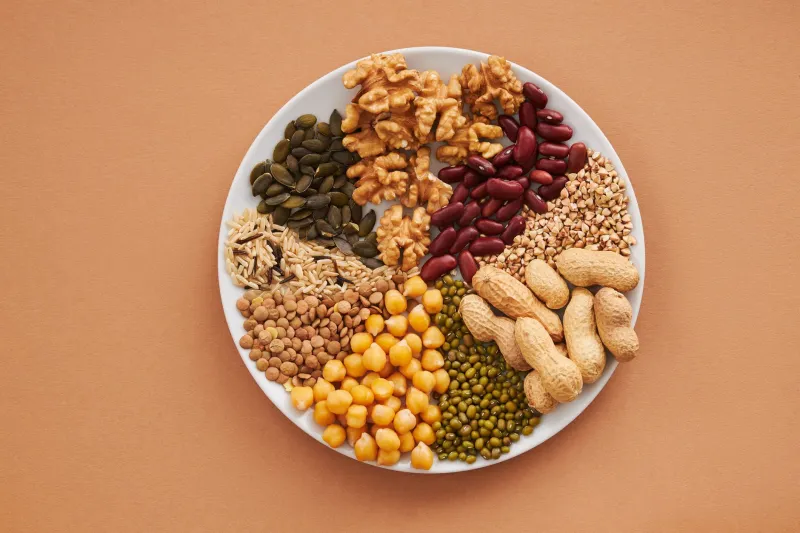
Nuts and nut butters. Calorie-dense, yes. But the combination of fat, protein, and fiber makes them one of the most satiating snacks around. Research has shown that people who regularly eat nuts don't gain more weight than those who avoid them, likely because they naturally compensate by eating less later.
Enjoyment Is Part of the Equation
There's a psychological dimension to satiety that doesn't get nearly enough airtime. Eating something you genuinely enjoy triggers a different neurological response than forcing down food you find tolerable at best.
Pleasure eating — in a mindful, present way — activates reward pathways that signal completion. You ate something good. Your brain registers that. There's a sense of closure that simply doesn't happen when you eat joylessly. And without that closure, many people find themselves grazing for the rest of the day, searching for something that finally hits the spot.
At Wholesome Platter, we've always believed that nourishing your body and enjoying your plate aren't competing priorities — they're the same priority. A meal built around real, flavorful, whole ingredients is doing double duty: giving your body what it needs to function well and giving your brain the satisfaction signal that says you're done.
So What Does This Actually Look Like?
You don't have to overhaul everything. A few practical shifts can make a real difference:
- Add fat to your vegetables. Roast them in olive oil, toss them with tahini, top them with cheese. You'll absorb more nutrients and feel fuller longer.
- Stop fearing the yolk. Eat the whole egg. It's not 1995.
- Choose full-fat versions of dairy when you enjoy them. Read the ingredient list — if the low-fat version has more additives than the original, the original is probably the better call.
- Eat slowly enough to register taste. Your satiety hormones need about 20 minutes to fully kick in. Give your taste receptors time to do their job.
- Build meals around protein and fiber first. Then add fat for flavor and staying power. This combination is the most reliable recipe for lasting fullness.
The goal isn't to eat indulgently for its own sake. It's to eat in a way that your body recognizes as real, satisfying, and complete — because that's the kind of eating that actually sticks, feels good, and keeps you from being derailed by 3 p.m. hunger every single day.
Your favorite foods might be doing more for you than you've given them credit for.