Eating Well on a Real Budget: No Toxic Positivity, Just Actual Strategies That Work
Let's get one thing out of the way upfront: the standard 'healthy eating on a budget' article is kind of insulting. You know the type — it tells you to swap your daily latte for groceries (thanks), buy in bulk (with what freezer space?), and grow your own herbs (in your apartment). The advice isn't wrong exactly, it's just written for someone whose budget problems are largely theoretical.
This isn't that article.
The real tension between eating well and eating affordably in the US is genuine and worth taking seriously. Organic produce costs more than conventional. Grass-fed beef costs more than feedlot beef. Whole foods cost more time than processed foods, even when they cost less money. None of this is your fault, and pretending otherwise doesn't help anyone.
What follows is a practical, honest breakdown of strategies that actually move the needle — with specific guidance on where to spend, where to save, and how to build a nutritious weekly eating pattern without pretending the constraints aren't real.
Start With the Staples That Actually Deliver
Before talking about what to buy, it's worth identifying the category of ingredients that punches hardest above its weight: affordable, shelf-stable, nutrient-dense whole foods that form the backbone of genuinely healthy eating.
This list is short on purpose:
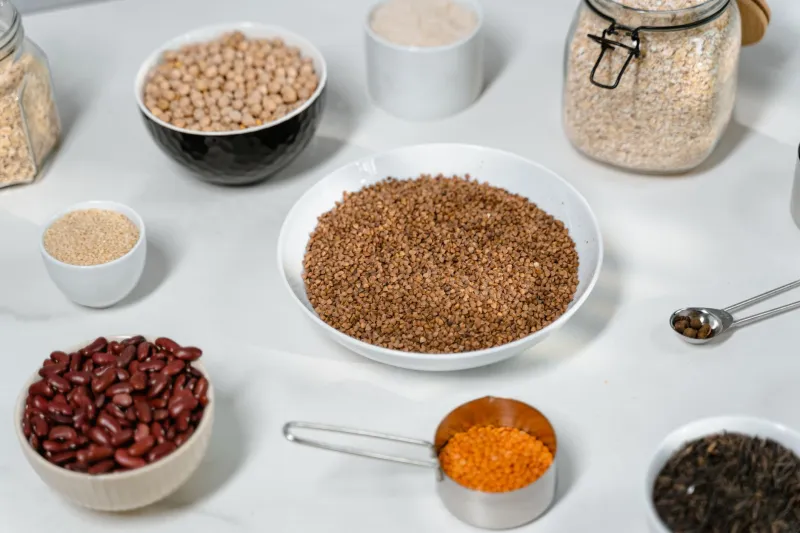
- Dried beans and lentils. A pound of dried lentils costs around $1.50–$2 at most US grocery stores and yields roughly six to eight servings. They're high in protein, rich in soluble fiber, and cook in under 30 minutes without soaking. Black beans, chickpeas, and kidney beans are similarly economical when bought dry rather than canned — though canned versions (rinsed to reduce sodium) are still a solid value and require zero prep time.
- Rolled oats. One of the most cost-effective whole-grain options available. A large container of plain rolled oats costs around $3–$5 and provides weeks of breakfasts. They're high in beta-glucan fiber, keep you full, and work in everything from overnight oats to savory grain bowls.
- Frozen vegetables. Frozen spinach, broccoli, peas, corn, and mixed vegetables are nutritionally comparable to fresh — often better, because they're frozen at peak ripeness. They're significantly cheaper, last months, and eliminate food waste. If your budget is tight, frozen vegetables should be a cornerstone, not a compromise.
- Eggs. Even at elevated post-pandemic prices, eggs remain one of the most affordable complete protein sources available. Two eggs deliver roughly 12 grams of high-quality protein along with vitamins D, B12, and choline. Hard to beat.
- Canned fish. Tuna, sardines, and canned salmon are inexpensive, shelf-stable, and rich in omega-3 fatty acids and protein. A can of wild-caught sardines in olive oil runs about $2–$3 and provides a full serving of protein plus anti-inflammatory fats. They're underused largely because of cultural baggage, not any nutritional shortcoming.
- Brown rice and whole wheat pasta. Cheap, filling, and whole-grain. Both serve as an affordable base for countless meals.
Building your weekly meal plan around these staples — and treating everything else as an addition rather than a foundation — is probably the single most effective budget strategy available.
Seasonal Shopping Is Not Just a Wellness Trend
When produce is in season in your region, it's cheaper and tastes better. That's not a coincidence — it's supply and demand. Strawberries in June cost half what they cost in January because they don't need to be shipped from Chile.
In the US, a rough seasonal guide:
- Spring: asparagus, peas, radishes, spinach, strawberries
- Summer: zucchini, tomatoes, corn, berries, peaches, bell peppers
- Fall: sweet potatoes, winter squash, apples, pears, kale, Brussels sprouts
- Winter: citrus, root vegetables, cabbage, frozen everything
Farmers markets can offer good deals on seasonal produce, especially at the end of the day when vendors are trying to move inventory. But they're not always cheaper than grocery stores — it depends heavily on the market and the vendor. Check prices before assuming.
For consistent savings, look at the weekly produce sales at your regular grocery store and plan your meals around what's discounted that week rather than planning meals first and then shopping. This reversal — letting the deals shape the menu — is a meaningful shift.
Where Spending More Actually Pays Off
Not every 'premium' food product is worth the markup. But a few genuinely deliver enough nutritional or practical value to justify the extra cost:
Extra virgin olive oil. A quality EVOO is one place where the upgrade matters. It's your primary cooking fat, it goes on almost everything, and the polyphenol content in genuine extra virgin olive oil is meaningfully different from cheaper refined versions. A mid-range bottle ($10–$15) lasts weeks and is worth it.
Full-fat dairy. Full-fat Greek yogurt and whole milk are more satiating than their low-fat counterparts, meaning you eat less of them. The satiety per dollar often makes them better value even at higher price points.
Wild-caught canned salmon. The omega-3 content in wild-caught Pacific salmon is substantially higher than farmed. For a shelf-stable protein that doubles as a brain-health food, the modest premium over regular canned tuna is reasonable.
Frozen wild blueberries. Cheaper than fresh, available year-round, and among the highest antioxidant fruits available. A bag costs $4–$6 and lasts weeks in the freezer.
Where You Can Safely Save
Organic labels on produce with thick skins. Avocados, onions, pineapples, mangoes, and sweet potatoes have low pesticide residue even when conventionally grown. The Environmental Working Group's Clean Fifteen list is a useful free reference for this. Save the organic budget for the Dirty Dozen — strawberries, spinach, peaches, and similar thin-skinned produce.
Fancy grain varieties. Farro, freekeh, and black rice are nutritious, but so are oats and brown rice at a fraction of the cost. The nutritional difference doesn't justify a 4x price premium if your budget is tight.
Branded supplements in food form. Collagen-infused water, adaptogen powders, and superfood blends are almost always overpriced relative to what they deliver. The nutrients in these products exist in whole foods for far less money.
Specialty 'health' snack bars. Most cost $2–$4 each and are not meaningfully more nutritious than a hard-boiled egg and an apple. Make your own snacks from staples when possible.
The Practical Weekly Framework
Putting this together into an actual week of eating doesn't have to be complicated. A simple structure that works:
- Pick two to three protein anchors for the week (e.g., a batch of lentils, a dozen eggs, two cans of salmon) and build meals around them.
- Buy whatever vegetables are cheapest or on sale and roast a big batch on Sunday. Roasted vegetables work in everything — grain bowls, wraps, eggs, pasta.
- Keep a grain or starch cooked and ready (brown rice, oats, or whole wheat pasta) to round out meals quickly.
- Use frozen vegetables to fill gaps without worrying about spoilage.
This approach doesn't require a meal plan spreadsheet or a Sunday four-hour cooking session. It just requires a loose structure that reduces daily decision fatigue and food waste simultaneously.
The Real Conversation
Eating well on a limited budget is harder than it should be in the US. Food deserts are real. Time poverty is real. The fact that processed food is engineered to be cheaper and more convenient than whole food is a structural problem, not a personal failing.
Working within those constraints isn't a moral achievement — it's just practical navigation. The strategies above aren't magic, but they're honest. And honest, practical, and actually useful is a better starting point than cheerful advice that pretends the constraints don't exist.