Last Night's Dinner, Completely Reinvented: A Playbook for Leftovers You'll Actually Crave
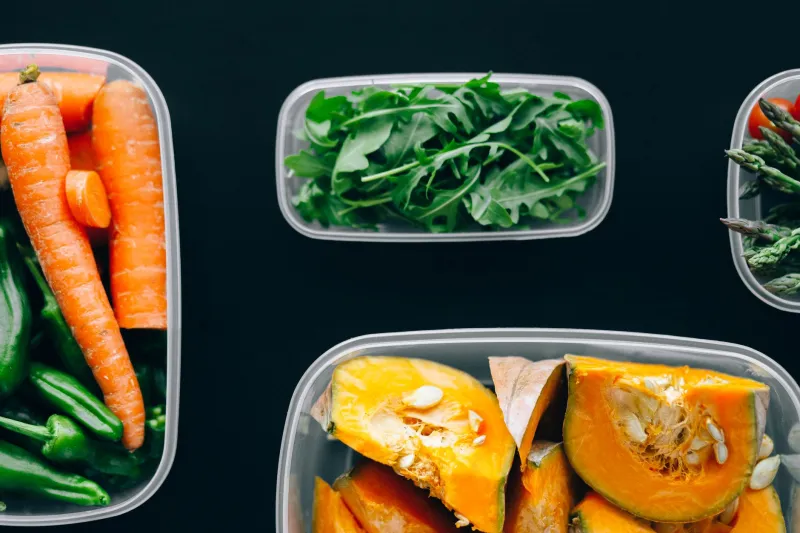
Here's a scenario that plays out in kitchens all over the country every week: Sunday meal prep goes beautifully. Containers are stacked. The fridge looks like a wellness magazine spread. By Wednesday, you're ordering pizza because you cannot face that roasted chicken and quinoa one more time.
Meal fatigue is real, and it's one of the most underestimated reasons healthy eating plans fall apart. The solution isn't more willpower or fancier meal prep containers. It's learning how to make your leftovers feel like something new — because when food feels intentional and exciting, you actually want to eat it.
Why "Just Reheat It" Fails
The problem with standard leftover logic — cook once, eat the same thing multiple times — is that it ignores how much context shapes our experience of food. Texture changes after a day in the fridge. Flavors meld and sometimes flatten. And psychologically, eating the same meal repeatedly signals scarcity and routine in a way that makes the food feel less appealing even before the first bite.
The fix isn't cooking something brand new every single night. It's cooking with transformation in mind from the start — treating your original meal as a base rather than a finished product.
Think in Components, Not Complete Meals
The most useful shift you can make in how you approach cooking is to stop thinking of a meal as a single fixed dish and start thinking of it as a collection of components that can be reassembled in different ways.
Roasted vegetables aren't just a side dish. They're the foundation of tomorrow's grain bowl, the filling for a wrap, the base of a quick frittata, or the topping for a flatbread. Grilled chicken isn't just a protein — it's taco filling, salad protein, soup base, or fried rice ingredient. Cooked grains are endlessly flexible: warm them with broth and an egg for a savory porridge, toss them cold with vinaigrette for a salad, or press them into patties and pan-fry them for something completely different.
When you cook with this mindset, you're not creating leftovers. You're building a pantry.
The Transformation Playbook
Protein Pivots
Protein is usually the most expensive and time-consuming component of a meal, so it's worth stretching strategically.
Roast chicken → three directions: Pull the meat and use it in a quick chicken soup with whatever vegetables you have on hand. Shred it and mix with a little hot sauce, lime, and cabbage for tacos. Or chop it fine, mix with Greek yogurt, celery, and a little Dijon for a protein-packed chicken salad that bears zero resemblance to the original roast.
Salmon → next-day star: Cold leftover salmon is genuinely excellent flaked over a simple green salad with capers and a lemon-dill dressing — far better, honestly, than reheated. Or mash it with a little cream cheese and herbs for a spread on whole-grain toast, which feels like a completely different meal entirely.
Ground beef or turkey → endless formats: Yesterday's taco meat becomes today's stuffed bell peppers or the protein in a quick pasta sauce. Leftover meatballs can go into a soup or be sliced and served over zucchini noodles with marinara for a totally different plate.
Vegetable Reinventions
Cooked vegetables are transformation gold because they've already done the hard work. They're tender, their flavors are developed, and they need very little additional cooking.
Roasted root vegetables (sweet potatoes, carrots, beets) can be blended into a silky soup with broth and a little coconut milk. They can be mashed and used as a base layer under a protein. They can be tossed into a grain salad with dried cranberries and toasted pepitas for something that feels celebratory rather than leftover.
Sautéed greens — spinach, kale, chard — fold beautifully into eggs. A quick frittata or a scramble with leftover greens and a handful of cheese is a 10-minute meal that feels completely intentional.
Roasted broccoli or cauliflower can be roughly chopped and stirred into a mac and cheese, blended into a cheesy soup, or tossed with pasta, olive oil, garlic, and red pepper flakes for a simple weeknight dish that has nothing in common with the sheet pan dinner it came from.
Grain and Starch Transformations
Cooked grains and starches are where a lot of people get stuck because they seem one-dimensional. They're not.
Rice is perhaps the most versatile leftover there is. Day-old rice (slightly dried out) is actually better for fried rice than fresh — the lower moisture content gives you that distinct texture. A quick fried rice with a scrambled egg, frozen peas, soy sauce, and sesame oil takes about eight minutes and tastes nothing like the plain rice it started as.
Quinoa can go sweet or savory. Stir it into a warm breakfast bowl with almond milk, cinnamon, and sliced banana. Or keep it savory and pack it into stuffed peppers or mix it with black beans and spices for a quick burrito bowl.
Roasted or mashed potatoes can become potato cakes — just mix with an egg and a little flour, form into patties, and pan-fry until crispy. Serve with a fried egg on top and you have a completely different meal that's actually a little exciting.
The Flavor-Shift Principle
One of the simplest ways to make leftovers feel new is to dramatically change the flavor profile rather than the ingredients themselves. The same roasted chicken and vegetables that felt very "American Sunday dinner" on Monday can become:
- Mediterranean with olive oil, lemon, oregano, and feta
- Asian-inspired with soy sauce, ginger, sesame, and scallions
- Mexican-leaning with cumin, lime, cilantro, and jalapeño
- Middle Eastern with tahini, za'atar, and pomegranate seeds
The base ingredients are identical. The experience is completely different. Your palate doesn't know it's eating leftovers — it just knows it's eating something flavorful.
Keeping Nutrition Intact Through Transformation
A quick note on the wellness side of leftover reinvention: most transformation techniques preserve or even enhance the nutritional value of your original meal. Soups and stews retain nutrients that might have been left on a sheet pan. Adding fresh herbs or a squeeze of citrus to leftovers boosts antioxidants. Combining yesterday's protein with new vegetables means you're getting more variety, not less.
The one thing to watch: when you're transforming leftovers into more indulgent formats (think potato cakes fried in butter, or rice fried in a generous amount of oil), keep an eye on the overall balance of the plate. It's easy to let a nutritious base drift in a less nourishing direction when you're improvising. A simple rule: keep the vegetable presence strong no matter how you're reimagining the rest.
The Real Win
At Wholesome Platter, we're big believers that sustainable healthy eating is built on meals you genuinely look forward to. Leftovers that feel like punishment are leftovers that end up in the trash — along with your food budget and your nutrition goals for the week.
Learn to see yesterday's dinner as raw material, and the whole equation changes. You waste less. You cook less. And somehow, you eat better.