Eat With the Seasons and Let Your Body Thank You All Year Long

There's something a little ironic about the modern American grocery store. Walk in during January and you'll find strawberries from Mexico, tomatoes from Florida, and zucchini that traveled from who-knows-where — all looking perfectly presentable under fluorescent lights, all available in abundance, all technically edible.
And yet, if you've ever bitten into a January strawberry and felt mildly betrayed, your taste buds are telling you something nutritionally true: that fruit is a pale imitation of what it's supposed to be.
Seasonal eating tends to get filed under "trendy wellness habits" alongside cold plunges and matcha lattes. But the case for eating what's actually in season isn't about aesthetics or Instagram farmers market content — it's rooted in real nutritional science, and it has practical implications for how you feel throughout the year.
Why Seasonal Produce Is Actually More Nutritious
Fruit and vegetables are living things that continue to change after they're harvested. Nutrient content — particularly water-soluble vitamins like vitamin C and folate — begins to degrade from the moment produce is picked. The longer the time between harvest and your plate, the more nutritional value is lost.
Out-of-season produce in US grocery stores has typically traveled significant distances and spent days (sometimes weeks) in cold storage. Studies have found measurable differences in vitamin C content between fresh-picked produce and the same produce stored for extended periods. Spinach, for example, can lose a substantial portion of its folate content within just a few days of harvest.
Seasonal produce — especially when sourced locally or regionally — gets from farm to store faster. It's harvested closer to peak ripeness rather than early to survive a long journey. And peak ripeness isn't just about flavor: it's when nutrient density is at its highest.
There's also the question of what farmers do differently with off-season produce. Extended cold storage, wax coatings, and in some cases post-harvest ripening with ethylene gas are all common practices for produce that needs to travel far and last long. None of these processes are harmful, but they don't exactly optimize for nutrition.
Your Body's Nutrient Needs Actually Shift With the Seasons
Here's where things get interesting — and where the case for seasonal eating moves beyond just "fresher is better."
Your body's nutritional demands aren't static. They shift in response to temperature, daylight hours, activity levels, and immune challenges that naturally cluster at different points in the year. And — perhaps not coincidentally — the produce that grows in each season tends to align pretty well with those shifting needs.
Winter is when vitamin D production from sunlight drops dramatically for most Americans, particularly those living in northern states. It's also when cold and flu season peaks. What's naturally in season during winter? Citrus fruits — oranges, grapefruits, clementines — loaded with vitamin C, which supports immune function. Dark leafy greens like kale and collards, which thrive in cooler temperatures and deliver vitamin K, folate, and antioxidants. Root vegetables like sweet potatoes and beets that are dense in energy-sustaining complex carbohydrates, helpful when your body is working harder to maintain warmth.
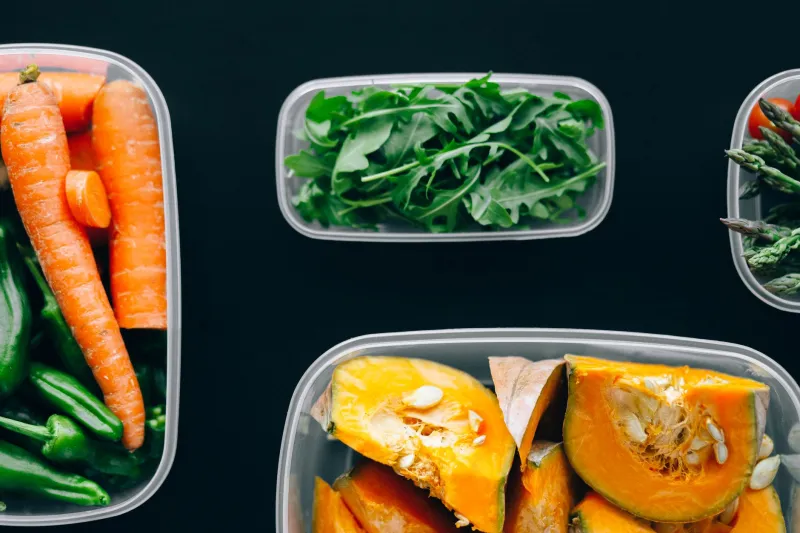
Spring brings lighter, more delicate produce: asparagus, peas, arugula, spinach, radishes. These tend to be high in folate and iron — nutrients that support cellular renewal and energy production at a time when many people are emerging from the sluggishness of winter and increasing their physical activity. Spring greens also tend to be naturally cleansing in the sense that their fiber and phytonutrient content supports digestive health.
Summer delivers the heavy hitters: tomatoes, corn, zucchini, peppers, cucumbers, berries, peaches, watermelon. These fruits and vegetables are high in water content (helpful for hydration in heat), rich in antioxidants like lycopene and anthocyanins, and packed with vitamins A and C. They're also the produce most commonly destroyed by long-distance shipping — a July tomato from your local farmers market and a January tomato from a grocery store are barely the same food.
Fall is root vegetable and squash season — butternut, acorn, delicata, along with apples, pears, and Brussels sprouts. These foods are dense in fiber, beta-carotene, and complex carbohydrates that support sustained energy as days shorten and physical activity often starts to wind down. They're also the kinds of foods that store well and cook beautifully into the warming, comfort-forward meals that feel instinctively right as temperatures drop.
A Practical Season-by-Season Guide for US Shoppers
The specifics of what's in season vary by region — stone fruits peak earlier in California than in the Midwest, and Southern states have longer growing windows than New England. But here's a general framework that works across most of the continental US:
Winter (December–February): Citrus fruits, kale, collard greens, sweet potatoes, beets, turnips, parsnips, winter squash, Brussels sprouts. Focus your meal planning around roasted root vegetables, hearty grain bowls with citrus-forward dressings, and dark leafy green soups and stews.
Spring (March–May): Asparagus, peas, spinach, arugula, radishes, spring onions, artichokes, strawberries (in warmer regions by late spring). Lighten up your cooking — more raw salads, lightly steamed vegetables, grain bowls with spring greens and a soft-boiled egg.
Summer (June–August): Tomatoes, zucchini, corn, cucumbers, bell peppers, eggplant, peaches, blueberries, blackberries, watermelon, green beans. This is the season for minimal cooking — let the produce do the work. Fresh salsas, simple grain salads, grilled vegetables, fruit-forward breakfasts.
Fall (September–November): Butternut squash, acorn squash, apples, pears, Brussels sprouts, cauliflower, broccoli, sweet potatoes, pomegranates. Return to roasting and slow-cooking. Sheet pan dinners, warming soups, and grain dishes with roasted squash and nuts are fall meal prep gold.
The Cost Argument You Didn't Expect
One more thing worth mentioning: seasonal eating is almost always cheaper eating. Produce that's in peak season locally is abundant, requires less transportation, and doesn't need to be stored as long — all of which drives the price down. The same pint of blueberries that costs $6 in February can run $2.50 in July.
If eating nutritiously while keeping your grocery bill manageable is a goal (and for most American households, it is), seasonal produce is one of the most reliable levers you have.
Making It Practical
You don't have to overhaul your entire approach to food to eat more seasonally. Start small: pick two or three seasonal vegetables each week and build meals around them rather than the other way around. Check what's featured at your local farmers market or in the "locally grown" section of your grocery store — those labels are genuinely meaningful signals of freshness.
Apps like Seasonal Food Guide and resources from your state's department of agriculture can give you a region-specific breakdown of what's in season where you live.
And when you bite into a summer tomato that actually tastes like a tomato — sweet, acidic, complex — remember that flavor isn't separate from nutrition. It's one of the clearest signals your body has that it's getting the real thing.