Why Your Meal Prep Always Hits a Wall Halfway Through the Week
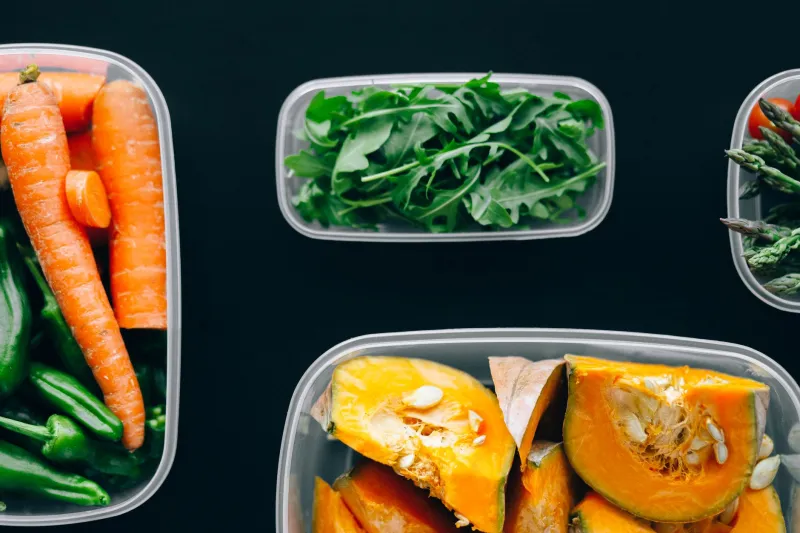
Sunday felt like a victory. You roasted a sheet pan of vegetables, cooked a big batch of quinoa, grilled four chicken breasts, and lined up six identical containers in the fridge like little soldiers ready for battle. Monday lunch? Perfect. Tuesday? Still going strong. Wednesday rolls around, and suddenly the sight of that container makes you want to order literally anything else.
You're not lazy. You're not failing at meal prep. You're running into a cluster of very real psychological and practical obstacles that most meal prep advice completely ignores. Here's what's actually happening — and how to work around it.
The Monotony Problem Is Bigger Than You Think
Humans are hardwired to seek novelty in food. It's called sensory-specific satiety — essentially, your brain gets bored of the same flavors and textures even when your body still needs fuel. Researchers have studied this for decades, and the takeaway is pretty clear: eating the same meal repeatedly doesn't just feel tedious, it actively reduces your appetite for that food.
So when you prep six identical portions of lemon herb chicken and rice, you're not setting yourself up for six successful meals. You're setting yourself up for two great meals and four increasingly unappealing ones.
The fix isn't to stop batch cooking — it's to stop thinking in complete meals. Instead of prepping six finished dishes, prep components. Cook a big batch of grains. Roast a variety of proteins. Prep a few different vegetables. Then mix and match throughout the week. Monday's grain bowl becomes Wednesday's wrap. Thursday's roasted sweet potato shows up as a side on Friday. The ingredients stay the same, but the eating experience shifts just enough to keep your brain interested.
Container Fatigue Is a Real Thing
There's a subtle but genuine psychological effect that happens when every meal lives in the same plastic container, stacked in the same corner of the fridge. It starts to feel institutional — like you're eating from a cafeteria that only serves one thing. That association can tank your motivation to actually eat what you prepped, even if the food tastes fine.
A few small changes make a surprising difference here. Vary your containers — use a shallow bento-style box for some meals, a wide bowl with a lid for others. Plate your food properly at least a couple of times during the week instead of eating straight from the container. It sounds almost too simple, but presentation genuinely affects how much you enjoy eating. Research on sensory perception consistently shows that visual appeal influences taste perception, not just aesthetics.
Also worth considering: don't prep everything at once. A full week of pre-portioned meals stacked in your fridge can feel oppressive by midweek. Try prepping for three to four days max, then doing a quick second round mid-week. It's a little more effort spread out, but it keeps things fresher — literally and psychologically.
Storage Mistakes That Kill Quality (and Motivation)
Even the most enthusiastic meal prepper loses steam when they open a container on Wednesday to find soggy greens or rubbery chicken. Poor storage is one of the most common reasons people abandon their prepped meals — not because they don't want to eat healthy, but because the food just isn't good anymore.
A few storage principles that actually matter:
Keep wet and dry separate. Salad dressings, sauces, and anything moisture-heavy should stay in a separate container until you're ready to eat. Dressed salads turn into a wilted mess within 24 hours. Undressed components can last three to four days without issue.
Know your fridge zones. The back of the fridge is coldest and most consistent — ideal for proteins and anything you want to keep fresh longest. The door is the warmest spot and most prone to temperature fluctuation. Don't store your prepped proteins there.
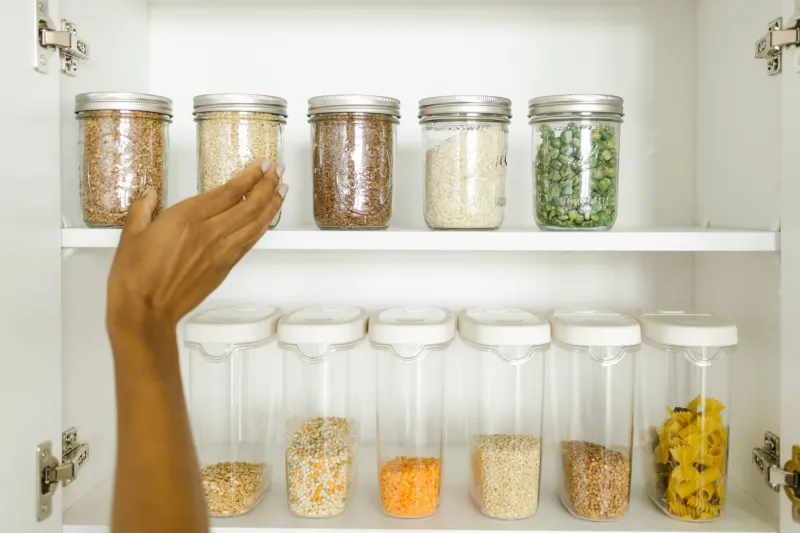
Use airtight containers seriously. Not all food storage containers are created equal. Cheap lids that don't seal properly let air in and accelerate spoilage. It's worth investing in a set of genuinely airtight containers if you're serious about meal prep.
Freeze more than you think you should. Most prepped proteins freeze well. Soups, stews, and grain dishes often freeze beautifully. If you know Wednesday and Thursday are going to be chaotic, freeze those portions on Sunday instead of refrigerating them. Pull them out the night before and you've got a fresh-feeling meal without the midweek fatigue.
Decision Fatigue Is Quietly Undermining You
Here's something the meal prep influencers don't talk about enough: by Wednesday, you're tired. Not just physically — mentally. Decision fatigue is the well-documented phenomenon where the quality of your choices deteriorates after a long stretch of making decisions. After two full workdays, the mental overhead of figuring out what to eat — even if it's already prepped — can feel like too much.
This is why your prepped meals lose to delivery apps by midweek. It's not that the food isn't good. It's that the decision feels hard, and ordering feels easy.
The solution is to reduce the friction of eating your prepped food as much as possible. Label containers clearly — not just with what's in them, but with what they pair with. "This + the roasted broccoli in the green container = lunch." Keep your prepped meals at eye level in the fridge, not buried behind condiments. Make eating them the path of least resistance, and you'll actually do it.
Building a Prep Schedule That Accounts for Real Life
The other silent killer of meal prep? Overambition. Planning to prep seven days of food when your life regularly throws curveballs on days four, five, and six is a setup for waste and guilt.
Be realistic about which meals actually need to be prepped. Most people do fine with breakfasts and lunches handled in advance, while dinners stay flexible. Or maybe you know weekday lunches are where you make the worst decisions, so that's where prep energy belongs. Identify your actual weak spots and prep strategically for those, rather than trying to lock down every eating occasion.
Also give yourself one or two planned "wild card" meals per week — a night where you're allowed to deviate from the plan without it feeling like failure. That flexibility actually increases adherence, because you're not white-knuckling your way through a rigid system.
The Bottom Line
Meal prep doesn't fail because you're not committed enough. It fails because most approaches ignore the way humans actually experience eating — the need for variety, the role of presentation, the reality of decision fatigue, and the simple fact that food needs to stay genuinely good to be worth eating.
Tweak the approach rather than abandoning it. Prep components instead of finished meals. Store smarter. Reduce the mental friction of eating what you made. Give yourself a little built-in flexibility. Done right, meal prep stops being a Sunday chore that haunts you by Wednesday and starts being the thing that actually holds your week together.